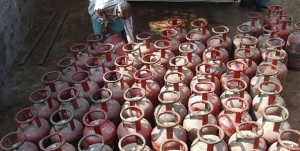
NAIROBI: Close to 70 per cent of Liquefied Petroleum Gas in the Kenyan market is counterfeit, according to the newly appointed Anti-Counterfeit Agency Board chairman Polycarp Igathe.
Igathe who also chairs the Petroleum Institute of East Africa and is also the Vivo Energy managing director said the agency will conduct raids in all illegal gas filling stations in the country.


He said said counterfeit gas posses a greater risk on lives of users noting that illegal gas filling stations have mushroomed countrywide.
“We already have names of places where these businesses are taking place and we shall soon raid them and arrest the people behind the racket,” said Igathe.
He was speaking to journalists in Mombasa on the sidelines of official opening of Bonje Shell Service Station at the Coast, which is the biggest service station in the country.
Igathe said crafty traders import their gas from Tanzania while some consignment comes through the port of Mombasa under the disguise of lab chemicals in special standard containers used to transport chemicals.
“These individuals evade paying taxes and they sell their products at relatively cheaper prices compared to the genuine local product gas. What is more disturbing is that they fill their products to cylinders of already existing gas brands like Total or Afrigas,” Igathe said.
He said a gas cylinder once released into the market should circulate at least eight times annually but currently only circulate once in Kenyan market.”This shows that big brands are releasing cylinders to the market and unscrupulous businessmen start using the same cylinders for their products, which is illegal,” said Igathe.He said in other instances when consumers buy a 13 kilo of a certain gas brand it turns out to be only 10 kilos when weighed.
He said Kenyans use about 100,000 tonnes of LPG annually way below the potential market of 600,000 tonnes since the energy sector is not well regulated.”If the gas sector is regulated, we shall have favourable and competitive prices where consumers will not feel exploited,” he said.Igathe said Ghana and Nigeria have a total gas consumption of 500,000 and one million tonnes a year respectively because of the good policies in place.