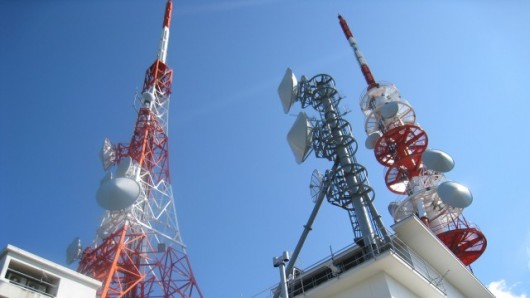
VICTORIA: THE spread of 4G mobile networks into regional areas is interfering with television antennas set up during the analog era.
Some residents in coastal towns in Victoria and South Australia have struggled to get clear television signals since mobile phone companies activated a new frequency.


The 700 megahertz (Mhz) frequency was previously used by television stations to emit analog pictures and noise, but was sold to mobile phone companies for their 4G rollout in a 2013 auction that raised $2 billion for the federal government.
But Telstra and Optus did not start using 700 Mhz until January 1. So regional viewers who previously installed equipment to boost weak analog TV signals suddenly found their TV signals overwhelmed by the strong 4G signals.
The communications regulator has received dozens complaints since the start of the year from residents unable to watch TV, a spokesman for the Australian Communications and Media Authority (ACMA) said.
Residents using amplifiers should get their antennas adjusted, ACMA said. However, high pressure systems, which were most common during summer, could also interfere with TV signals.
Both mobile phone operators said consumers should consult the ACMA for help. A spokesman for Optus said residents should “optimise” their antennas to receive digital television broadcasts.
“Optus is aware of some issues regarding TV reception in a small number of towns where Optus and/or Telstra has recently launched 4G services in the 700 MHz band. This is not due to frequency clashes with 4G. The Optus 4G network and all TV and radio stations are on different frequencies,” he said.
A Telstra spokesman said people living near mobile towers “may experience reception difficulties due to their TV receiver being ‘overloaded’ by the signals from the base station”.
“This problem is not unique to Telstra and is not due to Telstra operating outside the ACMA’s licence conditions for the use of the spectrum,” he added.