
Customs Today
  • Home
  • Islamabad
  • Karachi
  • Lahore
  • National
  • Transfers and Postings
  • Chambers & Associations
  • Business
No Result
View All Result
Customs Today
  • Home
  • Islamabad
  • Karachi
  • Lahore
  • National
  • Transfers and Postings
  • Chambers & Associations
  • Business
No Result
View All Result
Customs Today
No Result
View All Result
Home International Customs Netherlands

Netherlands global debt rises $57tn, up 17% of world GDP since 2007

byCustoms Today Report
06/02/2015
in Netherlands
Share on FacebookShare on Twitter

AMSTERDAM: Global debt has risen $57tn or 17% of world GDP since 2007 and rather than reducing indebtedness, or deleveraging, all major economies today have higher levels of borrowing relative to economic output than they did in the year of the outbreak of the subprime mortgage crisis and the global credit crunch.

McKinsey Global Institute says in the third report in a series on debt and deleveraging, that expectations that the worst recessions since the Great Depression of the 1930s, would spur widespread “deleveraging” to safer levels of indebtedness were misplaced. The report calls for “fresh approaches” to preventing future debt crises.

You might also like

Over 80 Kilos Cocaine Found On Dutch Plane In Argentina; Three Dutch Arrested

05/02/2020

Over 430 Kilos Of Heroin Intercepted At Rotterdam Port

03/02/2020

OECD data show that real world GDP growth is up 121% since the end of 2007 and the 17% rise in debt since the crisis This is not compares with a 23-point increase in the seven years before the crisis.

China’s debt has quadrupled since 2007. Fueled by property and shadow banking, China’s total debt has nearly quadrupled, rising to $28tn by mid-2014, from $7tn in 2007. At 282% of GDP, China’s debt as a share of GDP, while manageable, is larger than that of the United States or Germany.

MGI says that as it appears, economies need ever-larger amounts of debt to grow, and deleveraging is rare and increasingly difficult, they may also need to learn to live more safely with high debt. That will require new approaches to manage and monitor it, to reduce the risk of crises, and to resolve private-sector defaults efficiently. Policy makers will need to consider more ways to reduce government debt, and it may be time to reevaluate how incentives in the tax system encourage the amassing of debt.

Related Stories

Over 80 Kilos Cocaine Found On Dutch Plane In Argentina; Three Dutch Arrested

byadmin
05/02/2020

More than 80 kilograms of cocaine was found on a Martinair Cargo plane in Argentina. Seven men, three of whom...

Over 430 Kilos Of Heroin Intercepted At Rotterdam Port

byadmin
03/02/2020

A large quantity of heroin was found hidden on board a ship in Rotterdam just before the end of the...

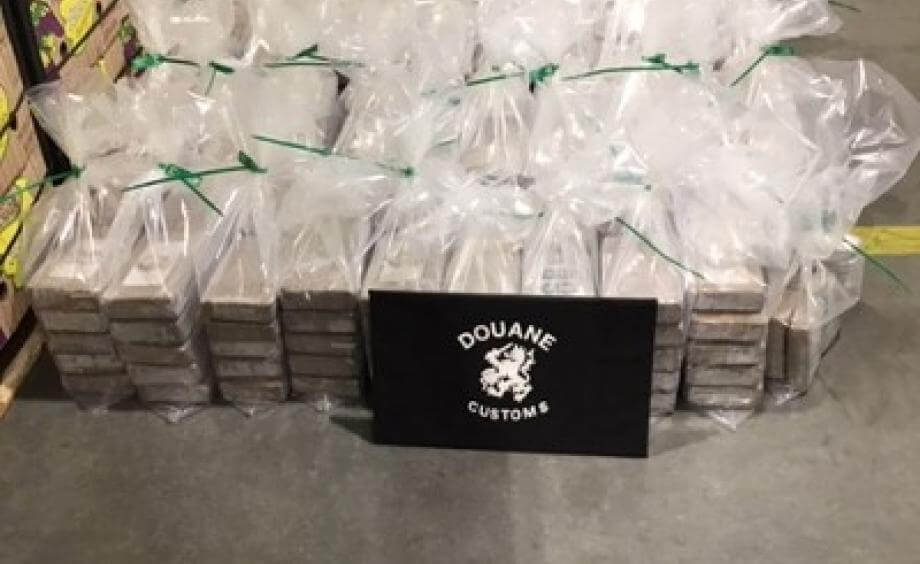
Over 900 Kilos Of Cocaine Found In Banana Shipment

byadmin
30/01/2020

Customs officers at the port of Vlissingen intercepted 921 kilograms of cocaine. The drugs were hidden in a container of...

Netflix Accused Of Using Netherlands To Avoid Its Tax Bill

byadmin
21/01/2020

Streaming media giant Netflix was accused of using the Netherlands as a major part of a tax haven scheme to...

Next Post

Turkey, Iran stress promotion of economic, customs related ties

  • Terms and Conditions
  • Disclaimer

© 2011 Customs Today -World's first newspaper on customs. Customs Today.

No Result
View All Result
  • Transfers and Postings
  • Latest News
  • Karachi
  • Islamabad
  • Lahore
  • National
  • Chambers & Associations
  • Business
  • About Us

© 2011 Customs Today -World's first newspaper on customs. Customs Today.