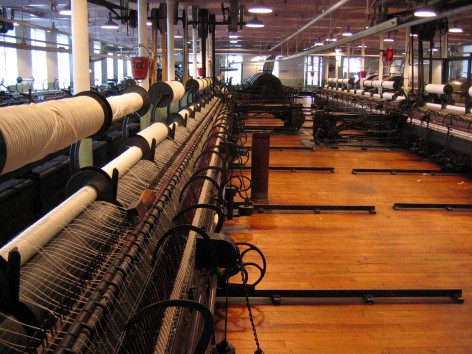
Federal Minister for Textile Industry Abbas Khan Afridi has announced a new five-year textile policy, envisaging Pakistan as a leading textile exporting country in the world. Under the policy, steps will be made to create at least 3 million new jobs and take the volume of textile exports to $26 billion from the current $13 billion. According to him, at least Rs 65 billion will be required to implement the policy. The finance division of the federal government will provide Rs 40.6 billion while the Planning Commission and Export Development Fund will arrange over Rs 23 billion. In line with the policy, the State Bank of Pakistan will provide the textile industry a long-term financing facility at 9 percent interest rate from 3 to 10 years. Under the new policy, drawback of local taxes and levies will be given to textile exporters on freight on board value of their exports on an incremental basis with certain conditions as the government will continue to provide drawback of local taxes and levies. The mark-up rate for Export Refinance Scheme of the SBP has been reduced from 9.4 percent to 7.5 percent since July 2014 and discount on bank interest will be 2 percent as compare to the existing rate.
The textile sector is already enjoying duty free regime on import of machinery under the previous textile policy which was envisaged in 2009. The government has also extended the facility given under SRO 809 for another two years and has also promised to extend funds for the development of technology for the small medium enterprises. The main issue for the textile industry is electricity shortage as the country could not reap full benefits of the GSP plus status. However, the textile sector can only grow if provision of electricity is practically ensured 24/7 and mere lip service will not serve any purpose. It is hoped that the new textile policy will be feasible and implemented in a letter and spirit.The policy should also facilitate the small and medium enterprises to produce value-added items and increase exports.


Meanwhile, the government has again suspended gas supply to the textile industry for two days which will ultimately affect the export volume. The law and order situation is another problem, affecting the economic environment and causing capital flight from the country. A multi-prong strategy is required to fix the economic woes otherwise every effort toward poverty alleviation will be backfired.