BERLIN: On the outskirts of Berlin, a small factory cranks out tiny medical probes that delve into the farthest reaches of the human body. At a time when global demand from hospitals is booming, the mood at medical technologies firm Fiagon is buoyant.
German medical engineering companies are very much in demand in the world right now, Fiagon Chairman Timo Krüger told USA TODAY. “The entire branch is also benefiting from strong growth in markets like Asia, without a shadow of a doubt.”
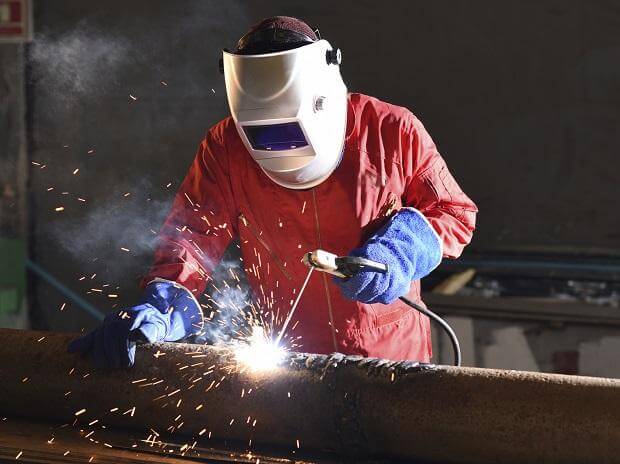
Just about all German exports are very much in demand around the world right now, thanks to a weak euro that is proving to be a boon to Germany by making its goods less expensive to foreign customers.
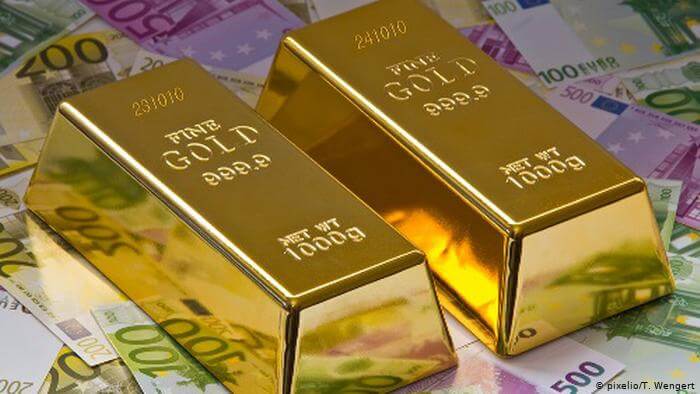
The currency is now trading at an 11-year low against the dollar: $1.11. That’s an 18% drop from $1.35 in the first half of 2014.
The euro’s decline has boosted sales to China and the United States, which accounted for more than half of Fiagon’s revenues last year, said Krüger, whose company recently opened an American headquarters in Austin.
If the exchange rate in the U.S. and China against the euro remains where it is, we could see our revenue increase somewhere in the double digits,” said Krüger.
For 2014, total German exports swelled to $1.3 trillion, led by an 11% gain in sales to China and 6.5% to the U.S.
The outlook for Europe’s economic powerhouse is strong for 2015 also, as evidenced by the Ifo Business Climate Index, which reported a rise in confidence among business leaders for the fourth consecutive month.
Germany’s DAX stock index has hit historic highs. Gross domestic product is projected to grow 1.5% this year, compared to an anemic 0.3% across the European Union. Germany’s budget is in good shape, too, as the government ended 2014 with a $20.4 billion surplus. And lower oil prices have been a shot in the arm for a country that imports 60% of its energy.
Ironically, the euro’s fall and the benefit for German exports — is largely the result of eurozone policies that Germany has taken the lead in opposing: mismanaged economies in countries such as Greece, and easier money policies by the European Central Bank to offset those weak economies and fend off the threat of deflation.