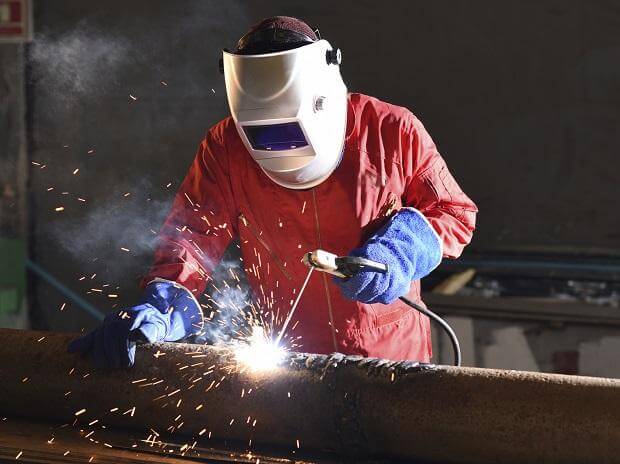
BERLIN: German factory orders fell in January, signaling a potential weak spot in the recovery of Europe’s largest economy.
Orders, adjusted for seasonal swings and inflation, dropped 3.9 percent after a revised increase of 4.4 percent in December, data from the Economy Ministry in Berlin showed. The typically volatile number compares with a median estimate of a 1 percent decline in a Bloomberg News survey. Orders slid 0.1 percent from a year earlier.
German economic growth accelerated in the fourth quarter as domestic spending benefited from lower oil prices and exporters were supported by a weaker euro, and the European Central Bank’s quantitative easing is likely to provide another boost. Even so, relatively weak external demand risks damping the expansion.
“Manufacturing activity in Germany appears to remain rather subdued in contrast to the surge in domestic retail and service-sector activity,” said Thomas Harjes, senior European economist at Barclays Plc in Frankfurt. “Softer demand from the U.S. and China, especially for vehicles, may partly explain the lack of better momentum in manufacturing.”
Domestic orders fell 2.5 percent and export orders slid 4.8 percent, led by a 9 percent slump in euro-zone orders, the ministry’s report showed. Orders for investment goods fell 4.2 percent, compared with a 0.6 percent decline for consumer items.