

Customs Today
  • Home
  • Islamabad
  • Karachi
  • Lahore
  • National
  • Transfers and Postings
  • Chambers & Associations
  • Business
No Result
View All Result
Customs Today
  • Home
  • Islamabad
  • Karachi
  • Lahore
  • National
  • Transfers and Postings
  • Chambers & Associations
  • Business
No Result
View All Result
Customs Today
No Result
View All Result
Home Science & Technology Science

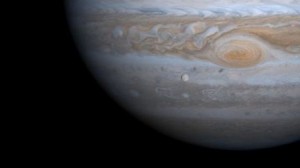
Jupiter fifth largest planet in our solar system will put on show of its own along with moons

byCustoms Today Report
12/03/2015
in Science, Science & Technology
Share on FacebookShare on Twitter

You might also like

Tesla driverless system to use updated radar technology

12/09/2016

Apple to develop its own self-driving technology

10/09/2016

MEXICO: Mars and Venus put on quite a show in the skies above. Determined not to be outdone, Jupiter, the fifth and largest planet in our solar system, will put on a show of its own along with its moons during the month of March.
While Mars and Venus drew sky gazers’ attention in February, Jupiter was also be visible for the the Month of March; not as bright but still visible to the naked eye. Amateur astronomers using a simple medium telescope will also be able to catch a glimpse of the planet and its moons along with a band of clouds surrounding the planet. On Feb. 6, Jupiter reached its opposition, meaning it was directly opposite the sun. The 2015 opposition was the closest Jupiter will come to earth until 2019. In March, it will not shine as bright but will still provide a clear view of itself for those that look to the skies.
Jupiter will shine as a bright object in the western sky beginning at nightfall and will remain visible during the night. When night falls, sky gazers will be able to catch a glimpse of Venus in the western sky and Jupiter in the east, with Jupiter presenting itself as the second brightest visible planet after Venus.
While you will easily see Jupiter with the naked eye, a decent pair of binoculars or a telescope will provide you with a much more detailed show. With the aid of these devices you should easily be able to view four moons of Jupiter including Callisto, Europa, Ganymede and Io, which are named after Galileo, who discovered them in 1610.
To make sure Jupiter doesn’t take all the viewing glory this month, Saturn will also be making an appearance. Rising in the southeast approximately an hour after midnight in the beginning of March and appearing about an hour before midnight during the latter part of the month.

Tags: Jupiter fifth largest planetJupiter including Callistolargest planetMars and Venusown along with moonssolar system

Related Stories

Tesla driverless system to use updated radar technology

byCT Report
12/09/2016

WASHINGTON: Electric carmaker Tesla announced Sunday it was upgrading its Autopilot software to use more advanced radar technology. In a...

Apple to develop its own self-driving technology

byCT Report
10/09/2016

SAN FRANCISCO: Apple may not become an automaker, but it still wants to develop its own self-driving technology. The iPhone-maker's...

NASA spots slowest known magnetar

byCT Report
10/09/2016

WASHINGTON: Astronomers have found evidence of a magnetar - magnetised neutron star - that spins much slower than the slowest...

‘YouTubers’ outshining old-school television

byCT Report
09/08/2016

SAN FRANCISCO: A media revolution is taking place, and most people over 35 years of age aren’t tuned in. Millennial...

Next Post

Expect $4b income: Indonesia targets 4m marine tourists in 2019

  • Terms and Conditions
  • Disclaimer

© 2011 Customs Today -World's first newspaper on customs. Customs Today.

No Result
View All Result
  • Transfers and Postings
  • Latest News
  • Karachi
  • Islamabad
  • Lahore
  • National
  • Chambers & Associations
  • Business
  • About Us

© 2011 Customs Today -World's first newspaper on customs. Customs Today.