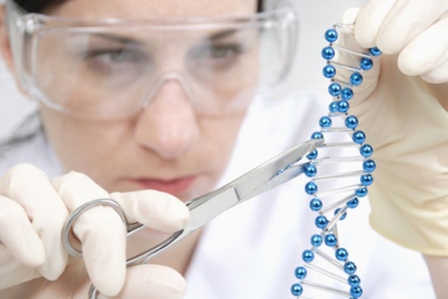
NEW YORK: A group of biologists was alarmed with the use a new genome-editing technique to modify human DNA in a way that it can become hereditary.
The biologists worry that the new technique is so effective and easy to use that some physicians may push ahead with it before its safety can be weigh up. They also want the public to understand the ethical issues surrounding the technique, which could be used to cure genetic diseases, but also to enhance qualities like beauty or intelligence. The latter is a path that many ethicists believe should never be taken.
“You could exert control over human heredity with this technique, and that is why we are raising the issue,” said David Baltimore, a former president of the California Institute of Technology and a member of the group whose paper on the topic was published in the journal Science.


Ethicists have been concerned for decades about the dangers of altering the human germ line — meaning to make changes to human sperm, eggs or embryos that will last through the life of the individual and be passed on to future generations. Until now, these worries have been theoretical. But a technique invented in 2012 makes it possible to edit the genome precisely and with much greater ease. The technique has already been used to edit the genomes of mice, rats and monkeys, and few doubt that it would work the same way in people.