LONDON: Britain could fall into deflation this week for the first time in more than half a century, the result of an escalating supermarket price war and falling energy prices.
Inflation, as measured by the consumer prices index, fell to zero in February for the first time since comparable records began in 1989. Estimates from the Office for National Statistics suggested that it was the lowest reading since 1960.


The statistics office will release the latest inflation figures, for March, on Tuesday morning. City economists say it is going to be a close call between a zero reading and a 0.1% dip.
Petrol prices rose 3.6% last month, reflecting a rebound in global oil prices, which is expected to push up the inflation rate by 0.1 percentage points.
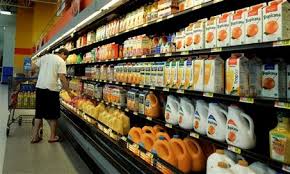
This will be offset, however, by the 5% cut in gas prices by British Gas, Britain’s largest energy supplier, and low food price inflation. Fierce competition from discount chains has forced the major supermarket groups to slash prices on basic items such as bread, with the discounter Aldi overtaking Waitrose to become the UK’s sixth-largest grocer recently.
Alan Clarke, an economist at Scotiabank, said: “While food price deflation of close to 4% year on year may sound extreme, this represents something of a relief after years of rapid price increases. More specifically, over the seven years between 2007 and 2013, the average annual pace of increase in food price inflation was 5% per year. Enjoy the cheap food and fuel while it lasts!”