You might also like


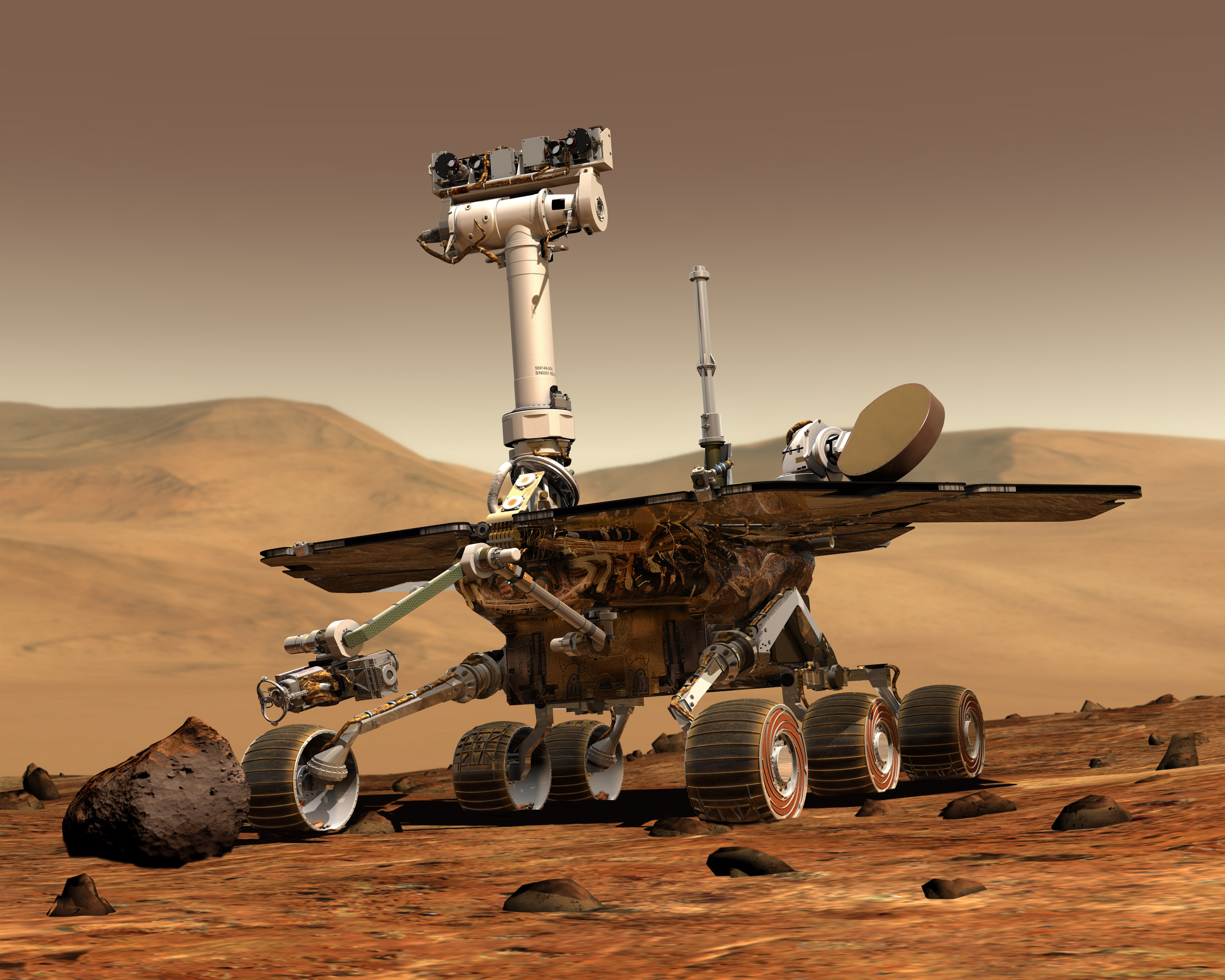
LONDON: Weather observations by NASA’s Curiosity rover support the surprising overnight presence of salt water films in the uppermost soil layers of the mobile spacecraft’s Gale Crater landing site within the equatorial belt of the red planet.
The perchlorate salts detected by Curiosity after its Aug. 6, 2012 landing were discovered in the top soil of the planet’s northern latitudes as well by NASA’s Phoenix mission after a 2008 landing.The dual detection suggests a widespread presence of perchlorates on the planet, a factor to be considered for those planning future Martian surface hardware.
The Gale Crater water and temperature observations by Curiosity and described by 25 researchers in the study Transient liquid water and water activity at Gale crater on Mars, published April 13 in the journal Nature Geoscience, are likely too low to support terrestrial organisms. But conditions could be more favorable at higher latitudes where the water vapor content of the atmosphere is greater.