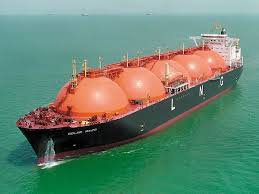
BOUNES AIRES: A combination of the LNG bear market and reduced imports may have allowed Argentina to save nearly $400 million in Q1 2015 compared with the same period of 2014, according to Interfax calculations from government and shipping data.
Interfax estimates the country spent around $275 million importing LNG in Q1 2015, compared with approximately $656 million in Q1 2014.


Argentina’s LNG imports fell by 53% in Q1 2015 to approximately 400,000 tons on a like-for-like basis, according to scheduled cargo data supplied to Interfax by Houston-based IHS Waterborne.
Latin American importers are also paying around 66% less for spot LNG cargoes than they were a year ago, with prices for cargoes delivered to the Bahia Blanca terminal in January assessed at $6.54-7.69/MMBtu.
Luciano Codeseira, a former consultant to Argentina’s Energy Secretariat and chief of the Buenos Aires-based Codigo Energetico project, told Interfax last month that the reduction in both volume and price would translate into a 58% saving on LNG spending in Q1 2015.
“Argentina is definitely benefiting from lower oil prices, but it’s almost impossible to work out the exact size of the benefit,” a Buenos Aires-based broker, who wanted to remain anonymous, told Interfax last week. “But I think it’s in the hundreds of millions [of dollars],” he said.
Argentina buys cargoes on both a long-term and spot basis, and Buenos Aires does not publish details of LNG contracts.
Trinidad and Tobago supplies more than 50% of Argentina’s LNG, and its prices are derived from a percentage of Brent crude and a premium to the Henry Hub benchmark, but there is usually at least a six-month lag between oil and LNG prices.
Landed prices at the Bahia Blanca terminal in the south of Buenos Aires province usually have a strong premium to those at the smaller Escobar facility near the capital, which are pegged to Brent.
The share of imported gas – which includes piped imports from Bolivia – in Argentina’s overall supply costs has fallen from 64.3% in Q1 2014 to 43.7% in Q1 2015, according to data published last week by Buenos Aires-based consultancy Montamat y Asociados.