TOKYO: Japanese Prime Minister Shinzo Abe has been vowing for years to take on the vested interests impeding his country’s economy. Until now, he hasn’t done much to make good on those promises. But he was recently handed a perfect opportunity to do just that.
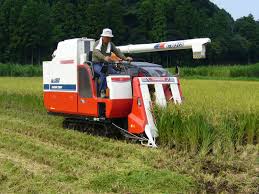
Japan’s 3.3 million rice growers, who together comprise only 2.5 percent of the population, now seem to be the biggest obstacle preventing Japan from completing one of history’s biggest trade deals, the U.S.-led Trans-Pacific Partnership.


By agreeing to cut Japan’s tariffs on rice, Abe could save the TPP deal — and show the country’s other powerful economic interests that he means business.
Why is the rice lobby so powerful? It’s a combination of history, culture and patronage. An island nation poor in natural resources, Japan has long been obsessed with self-sufficiency, particularly when it comes to food. Rice isn’t just the country’s staple grain — it’s an emotional symbol of nationalism; for millennia, Japanese have been taught that their cherished short-grain rice is the envy of the rest of the world. It’s no coincidence that the Japanese word for rice, gohan, also means meal.
In recent decades, rice has also become central to Japanese politics. Farmers are the key constituency of Abe’s Liberal Democratic Party, which has ruled with little interruption since 1955. Thanks to decades of careful gerrymandering, the votes of a few Japanese farmers working the land in Hokkaido or Kyushu now pack more punch than thousands of ballots cast in Tokyo or Osaka. No surprise, rice farmers have used their outsized influence to win massive tariffs on their foreign competitors.
Although it’s easy to see why Abe’s party would be reluctant to confront rice farmers over those tariffs, it would be well worth the effort. And this isn’t just about saving the TPP deal. Twenty-eight months into office, Abe desperately needs to initiate structural reforms in order to pull Japan’s economy out of its rut. The Nikkei stock exchange has nearly doubled under his leadership, but those gains won’t hold for long if the country’s economic fundamentals don’t justify them.
Abe’s government has already made some efforts to dilute the power of farmers, but they’ve been timid, at best. The LDP is revising the agriculture laws that regulate Japan’s farm cooperatives. Set up in the 1940s to fight famine, those cooperatives have evolved into conglomerates that regulate supplies and sales, and dominate rural lending. Abe’s government would like to open the farming industry to more diverse corporate ownership. It has also said it wants to double food exports, particularly beef, by 2020.
But none of this addresses the so-called “778 percent problem.” That’s how high Japan’s rice import levies can run. Tariffs on sugar, another so-called sacred product, are as high as 328 percent. Japan should scrap these comically exorbitant taxes — or at least chop them down to double digits.
If Abe does so, he should prepare for a prolonged fight. Japanese farmers have plenty of practice at complaining about globalization, and it’s not clear where the sympathies of the Japanese public would lie. Many Japanese profess concern that their national culture is in danger of being trampled by outside influences — and they’re liable to include rice in their picture of national heritage.
The vast majority of Japanese still say they would never consider buying rice from Thailand, India, Vietnam, Pakistan or the U.S., no matter how cheap. (China, with myriad and highly-publicized tainted-food scandals, needn’t even try to win over Japanese consumers.)
Abe would also have to muster the political will to take on his own party. He could start by following President Barack Obama’s lead in framing a trade deal as a geopolitical imperative. The first casualty of China’s Asian Infrastructure Investment Bank, after all, has been Tokyo’s global stature. A TPP trade deal would strengthen Japan’s U.S. alliance, and link both countries with others nations that together comprise 40 percent of the world’s gross domestic product.
The TPP deal would also act as a Trojan horse for further domestic economic reform. Once Japan commits to opening its economy, its most inefficient businesses will have no choice but to change. Rice farms are undoubtedly among them, and Abe shouldn’t shy from forcing them to get a head start.