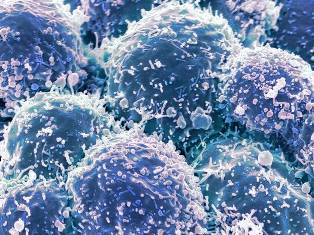
NEW YORK: Scientists have the first proof that a “brand new” way of combating cancer, using genetically modified viruses to attack tumour cells, can benefit patients, paving the way for a “wave” of new %potential treatments over the next decade.
Specialists at the NHS Royal Marsden Hospital and the Institute of Cancer Research (ICR) confirmed that melanoma skin cancer patients treated with a modified herpes virus (the virus that causes cold sores) had improved survival – a world first.
You might also like


In some patients, the improvements were striking. Although all had aggressive, inoperable malignant melanoma, those treated with the virus therapy – known as T-VEC – at an earlier stage survived, on average, 20 months longer than patients given an alternative.In others patients results were more modest, but the study represents a landmark: it is the first, large, randomised trial of a so-called oncolytic virus to show success.
Cancer scientists predict it will be the first of many in the coming years – adding a new weapon to our arsenal of cancer treatments. The method – known as viral immunotherapy – works by launching a “two-pronged attack” on cancer cells. The virus is genetically modified so that it can’t replicate in healthy cells. the independent – meaning it homes in on cancer cells. It multiplies inside the cancer cells, bursting them from within. At the same time, other genetic modifications to the virus mean it stimulates the body’s own immune response to attack and destroy tumours.
Other forms of immunotherapy – the stimulation of the body’s own immune system to fight cancer – using antibodies rather viruses, have been developed into successful drugs. It is hoped that T-VEC could be used in combination with these.