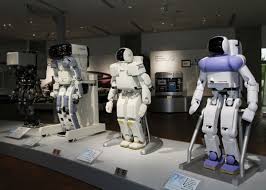


TOKYO: Japan’s Prime Minister, Shinzo Abe, wants to embrace a “Robot Revolution” not only to show the nation’s skill in robotics, but also to compensate for the country’s aging workforce.
Abe pushed for the use of more robots taking over human jobs at Japan’s Robot Revolution Initiative Council on May 15. The initiative is backed by 200 companies and universities and aims to increase the use of robots and other intelligent machines in various jobs within the next five years.
Robots may become commonplace in manufacturing factories, supply chains, construction, and healthcare. According to reports, the Japanese government, which is leading the initiative, plans to have robotics related sales increase from 600 billion yen a year to 2.4 trillion yen annually by the year 2020.
Japan is not the only Asian nation to become more invested in the use of Robots in the work place. China already has 530 robotic companies, and South Korea’s robot sales have ballooned to $2.2 billion since 2013.
While the United States has mainly been investing in the use of robots for defense, Japan wants to see its robots become more commonplace in everyday settings. In particular, their service sector is only 60 percent as productive at its counterpart in the U.S. and could benefit greatly from more robots taking over jobs that aren’t being filled.
According to Jeong Man Tae from the Korea Institute for Industrial Economics & Trade, Japan, the U.S. and Germany lead the charge with factory robots, but intelligent robots for the service industry is still at its infancy and remains untapped. But with cheaper parts being manufactured by both China and South Korea, more robots can be developed at a much quicker pace.

Karachi Port sets 138-year cargo handling record
KARACHI: Pakistan's maritime sector has achieved a major milestone as Karachi Port set a new record in its 138-year history...