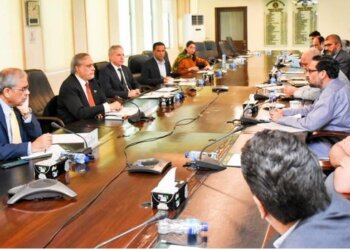
DHAKA: Bangladesh and India are set to witness a new era of connectivity, particularly on road and coastal shipping, as various agreements on this were signed on Saturday in Dhaka in the presence of Prime Minister Sheikh Hasina and her Indian counterpart Narendra Modi.
Such a connectivity is a crucial input for mutual development of Bangladesh and India in terms of higher trade at a highly reduced cost.
You might also like


“Trade between India and Bangladesh would be benefited by way of reduction in freight charges. It will also improve the utilization of port capacities and open up new opportunity for coastal vessels of the two countries. It will also help decongestion on roads, especially at the land custom stations/integrated check posts on the Indo-Bangladesh border,” said Shipping Secretary of Bangladesh Shafiq Alam Mehedi.
The ports serving as trans-shipment routes for cargo of both countries will derive benefits by way of enhanced trade, said Shafiq Alam Mehedi, adding that both nations shall render the same treatment to the other countrys vessels as it would have done to its national vessels. The statement sums up the intention and benefits of the issue.
In fact, these days people do not like the term ‘transit’ or ‘transshipment’. Connectivity is a more acceptable terminology economically and diplomatically. Bangladesh shares borders with India in the west and north exclusively and 85 per cent at the east with India. There are more than three dozen routes where the different regions of the two countries can have connectivity in trade and peoples’ movement.
For absence of cross border connectivity, several Indian states, popularly known as Seven Sisters, suffer a lot of inconvenience in communicating with other parts of the country. These states and also land locked Nepal and Bhutan cannot trade freely with Bangladesh or use Bangladesh port facilities for international trade. The multi-modal regional connectivity including road, rail and waterways, will open up a new horizon. India and Bangladesh can use each other’s ports and other facilities to trade among themselves and with third countries. It remains to be seen how many of the connectivity would be ultimately agreed and implemented. Mere signing of MOU or agreements means little. The supporting infrastructure, customs facilities, visa and immigration formalities need to be modernized and updated.
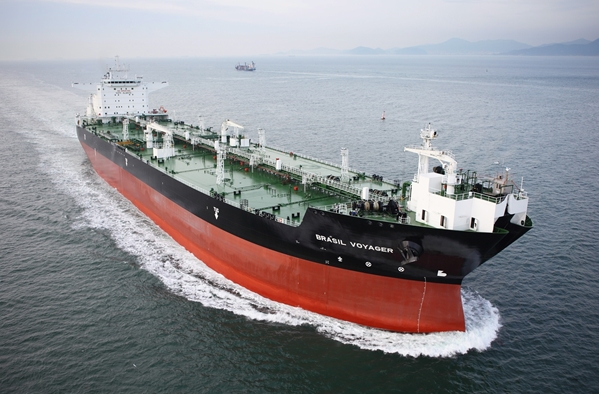
A lot of things remain to be done. Road and railway infrastructure needs massive upgrading and development, security in country and across the border needs to be beefed up and digitized. The coastal shipping connections leading to Indian ports of Visakhapatnam, Paradeep and Haldia with Chittagong and Mongla can bring immense benefits for both countries and the region. The coast guards and navy of both countries must collaborate with each other in preventing human trafficking and illegal trading.
The connectivity of Assam and West Bengal, Tripura and West Bengal on road and rail across Bangladesh will also open up avenues for Indian states to use Chittagong and Mongla port for international trading. Bangladesh must also get opportunity to use Indian ports if and when required. Using the connectivity through Indian territories Bangladesh, Nepal and Bhutan can also share Chittagong and Mongla port facilities.