You might also like


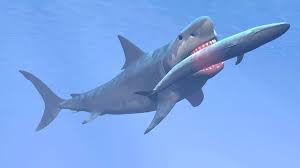
HONG KONG: Scientists have found a carcass of a Basilosaurus whale that appeared to have eaten another smaller whale. The researchers said that both whales looked like it was subsequently eaten by sharks.The 40 million-year-old whale measuring about 60 feet in length was found in the historic “Valley of the Whales” in Egypt.
As the researchers continued their investigation, more and more marine species were discovered in the Basilosaurus. Aside from the smaller whale, sawfish and crabs were also found. It was not confirmed, however, whether the smaller whale was a fetus or a prey. Surrounding the bigger whale’s body were remnants of shark’s teeth, suggesting that the big whale was not the final predator in the scene.
Basilosaurus, or “lizard king,” was originally regarded as a marine reptile when it was first discovered by Richard Halen in the 1830s, according to records from the Academy of Natural Sciences of Drexel University.
These ancient whales possessed characteristics, such as smaller brains, marrow-filled vertebrae and eel-like structures, which make them significantly distinct from modern whales. Their unique vertebrae, for one, allowed them to swim near the surface of the water, unlike most whales that settle under the waves.
The skeleton of the Basilosaurus found is said to be the only skeleton of its kind in the world that does not lack any part, said Dr. Khaled Fahmy, minister of environment.
The excavation team also observed that the teeth of the Basilosaurus have hints of wear and tear, indicating that the creature chewed its prey before ingesting it fully. The researchers believe that the teeth of the said whale could smash a skull with great force amounting to about 3,527 pounds.