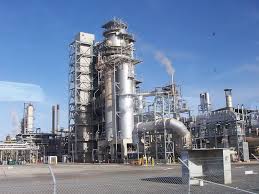
NAIROBI: The National Treasury Cabinet Secretary Henry Rotich is in a fix over a controversial order from President Uhuru Kenyatta’s Cabinet to pay Sh490 million to a Mauritius-based subsidiary of an Indian firm that ran down the region’s sole oil refinery.
The trouble for Mr Rotich is that while on one hand his boss has approved the payment – the Cabinet actually said the money had to be paid eight month ago, the National Assembly has warned him that should he pay, MPs will hound him forever.


MPs claim that the contract for the refinery between the Government and Essar Energy Oil Limited was flawed. The Public Investments Committee (PIC), which handled the meeting said the execution of the 50-50 ownership deal of the Mombasa-based Kenya Petroleum Refinery Limited was also skewed, and therefore Kenya lost out.
PIC chairman Adan Keynan (Eldas) said Rotich and the mandarins at the National Treasury will be held personally liable if they try to implement the Cabinet decision.
“I want to go on record on this that any attempt to pay that exit fee will be fraudulent and robbery on the part of the people of Kenya. Therefore, those who are interested in looking after the public coffers should be careful because history is going to haunt them. They should make sure that, that exit fee of $5 million is not paid at all. The entire process was fraudulent and not transparent,” said Keynan as he rallied MPs to adopt the PIC report on the deal.
The exit clause obligates Kenya to pay Essar $5 million, which is about Sh490 million given that the US dollar was trading at 98 on Friday—as soon as they part ways. The colossal amount being paid to what MPs called ‘a briefcase company’ is equivalent to what the Auditor General needs to audit the Sh35 billion Constituency Development Fund kitty for all the 290 constituencies.
“How the Government of Kenya just accepted an undertaking by a briefcase company and gave away a critical entity called the Kenya Refineries for no penny is incomprehensible,” said Keynan.
The PIC chairman added that Essar too failed to honour part of the deal where it was to modernise the refinery and make Kenyans benefit from cheaper oil. But as Keynan and the MPs breathed fire, the Cabinet Secretary told Weekend Business that the money had not been paid yet.
“Essar had raised an issue which is being addressed before the execution of the transaction,” said Rotich on phone.
The Cabinet Secretary said an Inter-ministerial committee from the Ministry of Energy, the Office of the Attorney General and the National Treasury were thrashing out legal queries about the Government of Kenya-Essar deal on the refinery, and once that is done, the money will be paid. “The negotiated Deed of Settlement by both parties and cleared by lawyers addresses all issues including liabilities incurred during management of the company by Essar,” said Rotich.
That means things to do with debts, loans or any other thing that was not conceived during the initial deal, but which may have arisen at the time of Essar’s operations, will have to be worked out before the exit clause is executed. “I have not seen the report adopted by the National Assembly yet, but probably the issues raised may have been addressed in the Deed of Settlement,” the CS said.