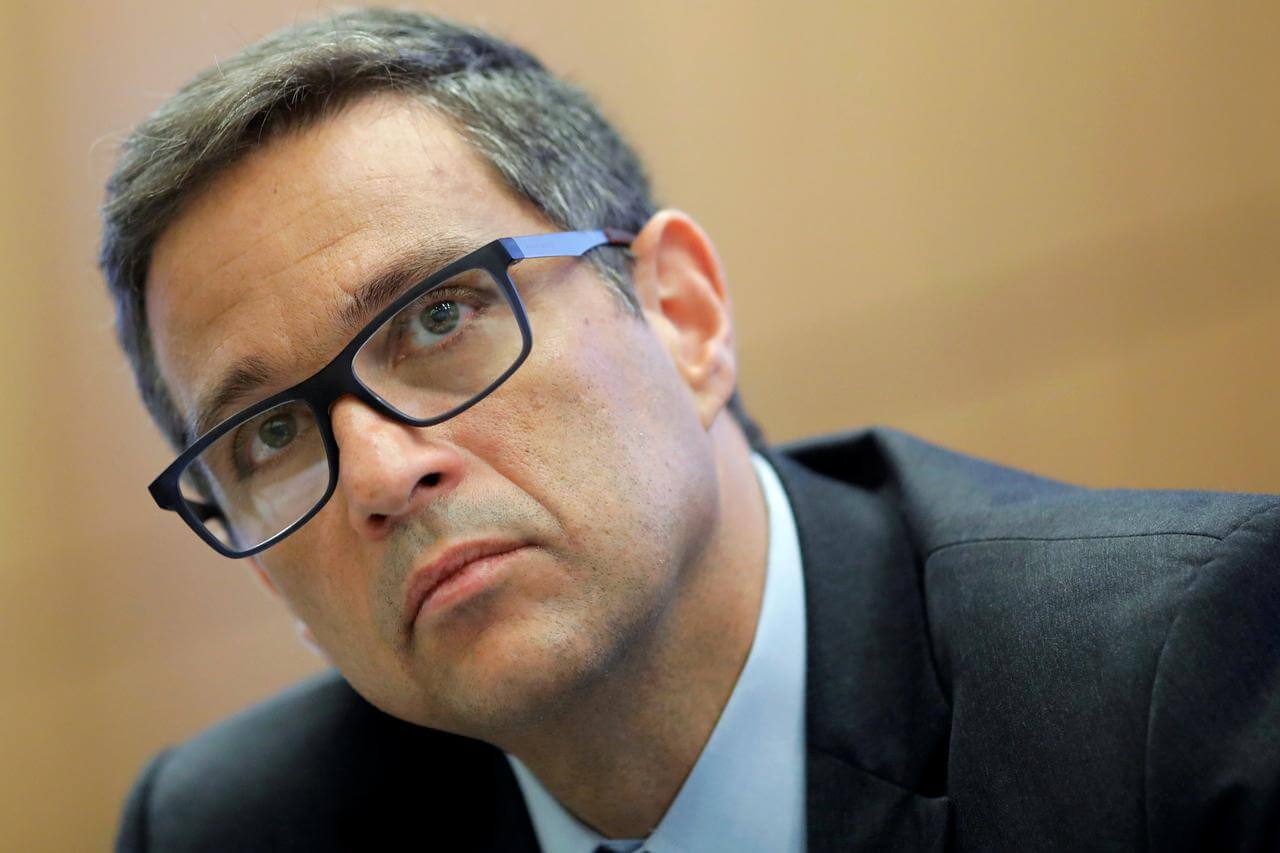
BRASÍLIA: Armando Monteiro, the Brazilian trade and industry minister, said in a conference that the exchange of market access offers would mark an important step towards full implementation of the proposed trade deal as early as next year.
The South American bloc and the EU have been engaged in on-off talks on a deal since 1999.

Mercosur — known as Mercosul in Brazil — includes Brazil, Argentina, Uruguay, Paraguay and Venezuela, and is the world’s fourth biggest trade grouping.
“Everything indicates we will finally be able to exchange offers this year,” said Mr Monteiro. “They [the EU] even confirmed that technically, the European offer is already prepared.”
Any move towards clinching the long-delayed trade agreement with the EU would mark a significant victory for exporters in Mercosur, which has struggled to sign deals with countries outside South America. Since its founding in 1991, the bloc has achieved such accords only with relatively small economies, such as Israel and the Palestinian Authority.
Mercosur fails to open doors as others seek alternatives
President of Brazil Dilma Rousseff gestures during a press conference on February 24, 2014 following the 7th Eu-Brazil summit at the EU Headquarters in Brussels
The trade bloc’s approach puts Brazil at risk of being left behind.
Critics say that while there is a growing clamour in Brazil, Mercosur’s biggest economy, for the country to become more open to trade to counter a slowing economy, the bloc has been held back by the protectionism of some members — particularly Argentina.
Venezuela, while strongly protectionist, is only an observer in the talks with the EU.
“We have been working for a long time to harmonise our offer within the bloc, and I would say we will be ready to do this exchange of offers,” said Mr Monteiro.
“For Brazil, Uruguay and Paraguay this question is already very advanced. . . Argentina is making a strong effort and we will be able to arrive at the level [of proposed tariff reduction] necessary to submit an offer.”
Mr Monteiro said Mercosur had alleviated Buenos Aires’ concerns by agreeing that each country would have the flexibility to lower tariffs at their own pace over a 15-year period.
“It is not something you have to do in one day. There is the possibility of a timeline for tariff reduction that does not have to be linear; you could have lower tariff reduction in the early years,” he said.
The aim for Brazil was to integrate its economy, which remains one of the most closed in the world, into global supply chains and enhance its export competitiveness, Mr Monteiro added.
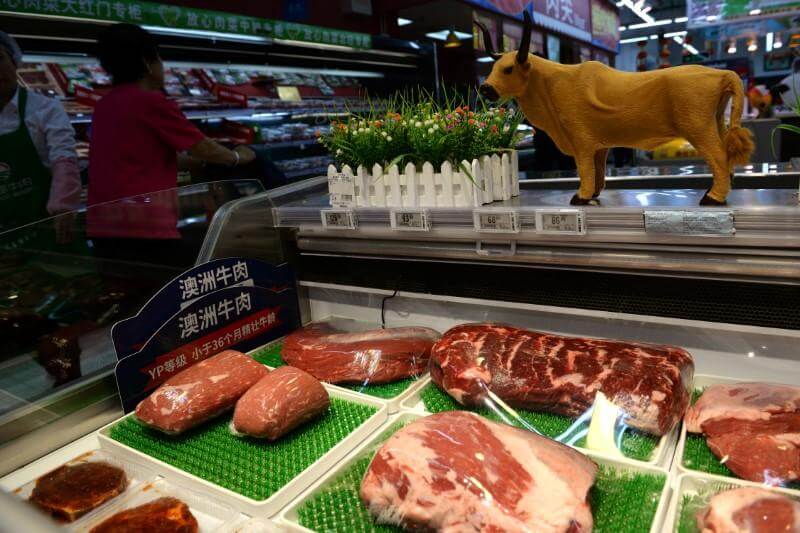
Agriculture remained a sensitive area for the EU because of its subsidy schemes, but under the agreement, Brazil expected to receive higher quotas for its beef and other agricultural exports.