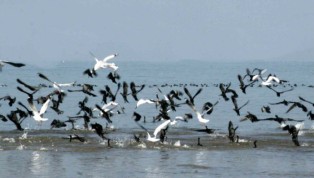
MEXICO: The world’s monitored seabird populations have dramatically declined by 70 per cent since the 1950s, a stark indication that marine ecosystems are not doing well, a new study has warned.
Researchers compiled information on more than 500 seabird populations from around the world, representing 19 per cent of the global seabird population.
You might also like


They found overall populations had declined by 69.6 per cent, equivalent to a loss of about 230 million birds in 60 years.
“Seabirds are particularly good indicators of the health of marine ecosystems,” said Michelle Paleczny, a University of British Columbia master’s student.
“When we see this magnitude of seabird decline, we can see there is something wrong with marine ecosystems. It gives us an idea of the overall impact we’re having,” said Paleczny.
The dramatic decline is caused by a variety of factors including overfishing of the fish seabirds rely on for food, birds getting tangled in fishing gear, plastic and oil pollution, introduction of non-native predators to seabird colonies, destruction and changes to seabird habitat, and environmental and ecological changes caused by climate change.
Seabirds tend to travel the world’s oceans foraging for food over their long lifetimes, and return to the same colonies to breed.