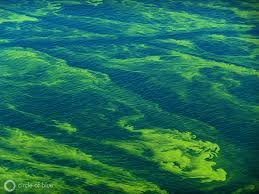
FRANCE: Researchers are warning that Lake Erie may be in for one of the biggest algae blooms in recent years.
A new report from the National Oceanographic and Atmospheric Administration, which has begun routinely putting together bloom forecasts, found that heavy rains throughout the month of June could lead to the largest bloom of harmful algae in the Great Lake since a record-setting event in 2011 covered 2,000 square miles of water in swirling green slime.


“This forecast allows all those who need to plan to have advance warning,” said Richard Stumpf, an oceanographer with NOAA’s National Centers for Coastal Science.
That means cities will be prepared to start water treatment and organizations that monitor lake quality can be at the ready.
Toxic algae bloom in Pacific Ocean could be largest ever
The cyanobacterial algae found in Lake Erie can decimate fish populations by consuming oxygen in the water and creating so-called dead zones. It also produces toxins that are harmful to humans, restricting access to swimming and other lake activities, and requiring drinking water to be treated and filtered.
Blooms are common in August and September — but some blooms are worse than others. NOAA measures the severity on a 10-point scale. The bloom of 2011 — the worst observed in the lake — ranked a 10. Last year’s bloom measured 6.5 on the index, which was high enough to contaminate the drinking water of 400,000 people in Toledo.