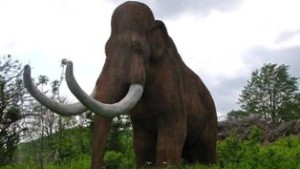
HONG KONG: The mystery around the disappearance of some of Earth’s largest animals – “megafauna” like mammoths, giant sloths, and mastodons – has long confounded and fascinated scientists.
For several decades, the leading theory pointed the finger at ancient humans living 50,000 years ago, who may have hunted the animals to the point of extinction. Other theories suggested that climatic shifts and sudden cold snaps may have played a role in the disappearance of the giant mammals.


A new study suggests that rapid warming – not human activity – may be the primary cause of the extinction of megafauna during the last Ice Age about 60,000 years ago, known as the Pleistocene.
Scientists say the study reinforces the idea that the speed of climate changes poses a greater threat to animals than the scale or severity of climate changes – and that could have major repercussions in our era of global warming.
“The real message here is that rapid changes are really tough, and [species] can get outrun by the climate changes,” says Chris Field, founding director of the Carnegie Institutions Department of Global Ecology, in an interview.
By comparing advanced analysis of ancient megafaunal DNA and radiocarbon dating with detailed geological records of severe climate events from ice cores and ancient sediments, researchers found that the gradual die-off of those large mammals coincided with sudden, rapid warming events during the late Pleistocene. The study, published in the journal Science Thursday, is the first to link specific climate events to the localized extinctions of megafauna.
The giant mammals survived until about 11,000 years ago, according to the fossil record, but the gradual extinction may have resulted from climatic pressures beginning tens of thousands of years earlier. The study singled out specific, short-term periods called “interstadials,” which could involve temperature increases from 7 to 29 degrees Fahrenheit over just a few decades.