
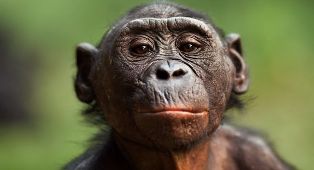


MALI: Researchers in the Democratic Republic of the Congo have observed a strange behavior from Bonobos, the unique primate that makes a peeping sound like a human baby.
A new study published by psychologists in the UK and Switzerland shows how wild bonobos can offer insights into how human speech developed. According to the BBC, the primates show flexibility in their communication by using peeps and squeaks that sound similar to the ones a baby human would make.
Bonobos share just as much DNA with humans as chimpanzees, but scientists know much less about the way they communicate in the wild. The study, published in the journal Peer J pushes back the development of vocal calls without context to the common ancestor with the bonobo, dating back 6 to 10 million years.
Researchers long believed that primates only communicated by using calls associated with certain emotional states, like screaming out of fear or whooping in aggression.
Scientists believed that humans were the only primates that could use vocal sounds in different contexts, what they call “functional flexibility.” Humans develop this skill early, when they are just 3 to 4 months old. Babies make noticeably different sounds when they are happy or distressed.
Dr. Zanna Clay of the University of Birmingham noticed that the bonobos she was studying in the Democratic Republic of the Congo were making similar sounds. In addition to the normal range of sounds that she expected to observe, she also noticed a distinct “peep” being used by the bonobos.
It turns out that the peeps are actually being used in context. The study expands the understanding of primate language, and shines the light on the bonobo, which have not been studied widely.

Karachi Port sets 138-year cargo handling record
KARACHI: Pakistan's maritime sector has achieved a major milestone as Karachi Port set a new record in its 138-year history...


