


EUROPE: Serotonin, a neurotransmitter involved in regulating mood and mental states, has been linked to numerous neurological and mental illnesses, including depression. But because there has been no way to obtain live human serotonin neurons to study these diseases, most serotonin research has been done on lab animals.
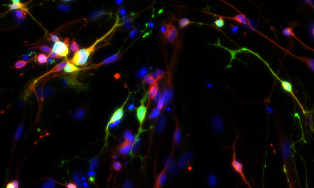
Now, University at Buffalo researchers have generated human serotonin neurons from human fibroblasts, the cells that give rise to connective tissue in the body.
The researchers say that their findings are applicable to generating many other previously inaccessible human cell types, providing a boon to medical research and drug discovery.
“Our work demonstrates that the precious serotonin neurons hidden deep inside the human brain can now be created in a petri dish,” said lead author Jian Feng, PhD, professor in the Department of Physiology and Biophysics in the UB School of Medicine and Biomedical Sciences. Feng also has an appointment at the Veterans Affairs Western New York Healthcare System in Buffalo.
The paper was published online on July 28. A future issue of the print journal will feature an image from the UB research on the cover. The work builds on previous studies showing that human fibroblasts can be converted to neurons, using specialized transcription factors that bind to genes, turning them on or off.

Karachi Port sets 138-year cargo handling record
KARACHI: Pakistan's maritime sector has achieved a major milestone as Karachi Port set a new record in its 138-year history...


