
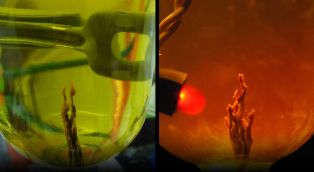


CANADA: All living organisms harness energy by transferring electrons. In a new study, researchers have reported growing their own set of tiny chimneys called chemical gardens, which are believed by some experts to be what the first cell-like organisms in the planet used to channel electricity from the seafloor.
Laurie Barge, lead author for the study published in the journal Angewandte Chemie International Edition, explained that these chimneys function like electrical wires on top of the seafloor. By utilizing the chimneys much like how the first cell-like organisms did, the researchers were essentially able to harness electricity in the same way that first life on the planet did.
The results of the study are aiding researchers in telling the story of life on earth, starting at the very first chapter of where it came from. A lot of mysteries surround how life on the planet first started. One of the leading theories about the origin of life on the planet is known as the alkaline vent hypothesis, which stipulates that life sprang up from the ocean floor thanks to warm alkaline chimneys.
Ranging in size, some growing up to tens of feet, chimneys form naturally on the seafloor where hydrothermal vents are located. Depending on the mineral present in a certain vent, different minerals may be present in a chimney although those with porous structures are common.
According to the researchers, these chimneys may have made it possible to establish proton and electrical gradients across thin membranes of minerals, separating compartments. These gradients are capable of emulating critical processes in life, generating organic compounds and energy.
Michael Russell, a co-author for the study, first proposed the hypothesis for the alkaline vents in 1989, predicting the existence of the chimneys over 10 years before they were discovered on the floor of the Atlantic Ocean. The current study confirms the amount of electricity that life needs, just a volt for basic processes to be carried out.

Karachi Port sets 138-year cargo handling record
KARACHI: Pakistan's maritime sector has achieved a major milestone as Karachi Port set a new record in its 138-year history...


