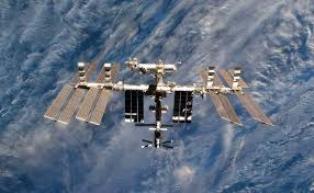


LONDON: Photos taken by astronauts aboard the International Space Station (ISS) have helped scientists reliably measure the amount of light pollution worldwide.
The study not only has the well-known signatures of cities and streets but also the effects of faint indirectly scattered light, which up to now had not been measured quantitatively.
The new results confirm that this diffuse glow, which is seen from space, is scattered light from streetlights and buildings.
This is the component responsible for the brightening of the night skies in and around cities, which drastically limits the visibility of faint stars and the Milky Way.
“Until the advent of new satellites, astronaut photography was our only colour and high-resolution window on the Earth,” said lead scientist Alejandro Sanchez de Miguel from the Universidad Complutense de Madrid, Spain.
The team that had researchers from Quebec-based Cegep de Sherbrooke college in Canada found that European countries and cities with a higher public debt also have higher energy consumption for street lighting per inhabitant.

Karachi Port sets 138-year cargo handling record
KARACHI: Pakistan's maritime sector has achieved a major milestone as Karachi Port set a new record in its 138-year history...