Customs Today
  • Home
  • Islamabad
  • Karachi
  • Lahore
  • National
  • Transfers and Postings
  • Chambers & Associations
  • Business
No Result
View All Result
Customs Today
  • Home
  • Islamabad
  • Karachi
  • Lahore
  • National
  • Transfers and Postings
  • Chambers & Associations
  • Business
No Result
View All Result
Customs Today
No Result
View All Result
Home Op-Ed Editorial

Agro exports

byDr. Aftab Afzal
30/09/2014
in Editorial, Latest News, Op-Ed
Share on FacebookShare on Twitter

Pakistan imports $456 million soya bean oil from Argentine, China and India annually to meet the country’s requirements of cooking oil. The price of soya bean oil in the international market ranges from $560 to 580 per metric ton. An effort has been made to cultivate soya bean in Pakistan. In the first stage, the crop has been cultivated at an area of 10,000 acres and its expected cost will be between Rs 20,000 and Rs 25,000. The crop will be ready in November and it will cost at least 50 percent less than it is available in the international market.

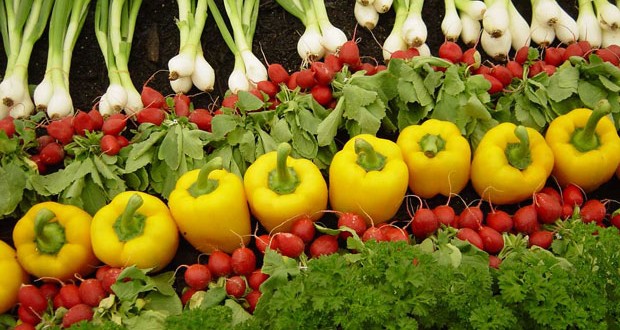
Pakistan is an agricultural country and it is unfortunate that instead of benefiting from the highly fertile lands, we import even potatoes, tomatoes, onions and other vegetables from India, which costs us millions of dollars foreign exchange.

You might also like

Bilal Azhar Kayani reaffirms government’s commitment to cashless economy

17/08/2026

Pakistan opens humanitarian lifeline, allows 724 relief trucks into Afghanistan

17/08/2026

Malaysia is Asian economic tiger but it started a journey toward economic development by cultivating palm oil and now it is the one of the biggest palm oil exporting country in the world. The oil is still backbone of the Malaysian economy and has allowed duty free exports of crude palm oil for September and October. The country is allowing extension in duty free exports not only to reduce its stockpiles but also pressure Indonesia, the top producer of the tropical oil, to take similar measures. Pakistan can also take lead in various crops whether it is palm or olive farming.

According to newspaper reports, Pakistan has potential to earn $4 billion annually by exporting fruits and vegetables if the government provides a platform to all stakeholders in the horticulture industry. Pakistan has vast green fields on the foothills in the northern side of the country where agriculturists have been encouraged to opt for honey bee farming. Cattle and sheep farming can also be encouraged in the area which are already natural meadowlands while vast fields in Punjab can also be used for breeding of the domestic animals.


Tags: AgriagroCustoms NewsExportsFBRForeign reservestaxes

Related Stories

Bilal Azhar Kayani reaffirms government’s commitment to cashless economy

byCT Report
17/08/2026

ISLAMABAD: Minister of State for Railways and Finance Bilal Azhar Kayani, reaffirmed the Government of Pakistan’s commitment to advancing a...

Pakistan opens humanitarian lifeline, allows 724 relief trucks into Afghanistan

byCT Report
17/08/2026

ISLAMABAD: Pakistan has allowed 724 truckloads of humanitarian relief cargo to cross into Afghanistan through the Torkham border crossing in...

Sales tax chaos: Hybrid vehicle makers halt production

byCT Report
17/08/2026

ISLAMABAD: The Federation of Pakistan Chambers of Commerce and Industry (FPCCI) has demanded an immediate rollback of the sales tax...

Pakistan, Hong Kong sign arrangement on customs cooperation

byCT Report
17/08/2026

ISLAMABAD: A virtual Signing Ceremony was held at the Federal Board of Revenue (HQ), Islamabad, for signing the “Co-operative Arrangement...

Next Post

Directorate Customs Intelligence establishes ‘Car Cell’

  • Terms and Conditions
  • Disclaimer

© 2011 Customs Today -World's first newspaper on customs. Customs Today.

No Result
View All Result
  • Transfers and Postings
  • Latest News
  • Karachi
  • Islamabad
  • Lahore
  • National
  • Chambers & Associations
  • Business
  • About Us

© 2011 Customs Today -World's first newspaper on customs. Customs Today.