Customs Today
  • Home
  • Islamabad
  • Karachi
  • Lahore
  • National
  • Transfers and Postings
  • Chambers & Associations
  • Business
No Result
View All Result
Customs Today
  • Home
  • Islamabad
  • Karachi
  • Lahore
  • National
  • Transfers and Postings
  • Chambers & Associations
  • Business
No Result
View All Result
Customs Today
No Result
View All Result
Home International Customs South Africa

South African review against higher mining taxes

byCustoms Today Report
20/08/2015
in South Africa
Share on FacebookShare on Twitter

CAPE TOWN: The first report of the Davis Tax Committee (DTC) on taxation in the South African mining sector has disagreed with the preferred recommendation of a concurrent report from the International Monetary Fund (IMF) and concluded that a new mining tax is not required.

In the interests of neutrality, the DTC is broadly in favor of retaining the status quo of taxing mining taxpayers’ income at the same rate as non-mining taxpayers. However, it said that the tax incentives currently exclusively available to miners, such as upfront capital allowances for exploratory and developmental expenditure, should be discontinued and replaced with an accelerated depreciation regime in parity with the write-off periods provided for in the manufacturing sector.


You might also like

lamic banking assets reach Rs14.47 trillion, sector share rises to 23%

07/03/2026
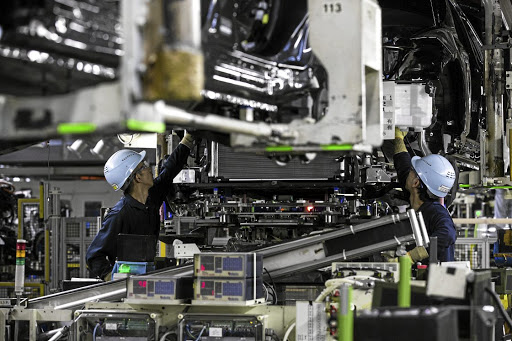
Toyota Motor Corp. employees work on the Crown vehicle production line at the company's Motomachi plant in Toyota City, Aichi, Japan, on Thursday, July 26, 2018. Toyota may stop importing some models into the U.S. if President Donald Trump raises vehicle tariffs, while other cars and trucks in showrooms will get more expensive, according to the automaker’s North American chief. Photographer: Shiho Fukada/Bloomberg

Toyota SA to invest over R4 billion in car assembly and parts

05/02/2020

The report notes that the Mineral and Petroleum Resources Royalty Act, which provides for a royalty to be charged on the transfer of mineral resources, was only enacted in 2010, and that it is “reasonably new and needs to be given a chance to prove itself.”

While various aspects of the mineral royalty regime “still need to be clarified and improved, particularly in relation to determination of the gross sales tax base,” the DTC takes the view that the royalty scheme has been “carefully designed” and ensures “a measure of cover (for the fiscus) in the form of a minimum revenue stream during weak economic cycles and low commodity prices.” The Committee therefore rejects calls to “introduce new tax instruments to the mining tax system, such as windfall taxes, rent resource taxes, surcharges based on cash flows, and separate flat royalty charges.”

With regard to the special taxation of the gold mining sector, the DTC would prefer that its additional annual tax incentive and special income tax rates are eliminated in the interest of tax neutrality. However, it also recognizes that gold mining remains a major contributor to employment, and jobs should not be jeopardized by immediately removing that tax framework for existing gold mines, it says.

It has therefore recommended that, while the existing tax framework should not apply to newly established gold mines, it should only be phased out for all gold mines “over a reasonable period of time.” The report does not deal with the offshore and onshore oil and gas sectors, which are to be dealt with in separate reports. The closing date for comments on this report is October 31, 2015.

Related Stories

lamic banking assets reach Rs14.47 trillion, sector share rises to 23%

byCT Report
07/03/2026

KARACHI: Pakistan’s Islamic banking sector expanded during 2025, increasing its share in the country’s financial system with assets reaching nearly...

Toyota Motor Corp. employees work on the Crown vehicle production line at the company's Motomachi plant in Toyota City, Aichi, Japan, on Thursday, July 26, 2018. Toyota may stop importing some models into the U.S. if President Donald Trump raises vehicle tariffs, while other cars and trucks in showrooms will get more expensive, according to the automaker’s North American chief. Photographer: Shiho Fukada/Bloomberg

Toyota SA to invest over R4 billion in car assembly and parts

byadmin
05/02/2020

Toyota SA Motors (TSAM) has announced a R4.28bn investment in local vehicle assembly and parts supply. Speaking at the company’s...

Toyota Motor Corp. employees work on the Crown vehicle production line at the company's Motomachi plant in Toyota City, Aichi, Japan, on Thursday, July 26, 2018. Toyota may stop importing some models into the U.S. if President Donald Trump raises vehicle tariffs, while other cars and trucks in showrooms will get more expensive, according to the automaker’s North American chief. Photographer: Shiho Fukada/Bloomberg

Toyota SA to invest over R4 billion in car assembly and parts

byadmin
03/02/2020

Toyota SA Motors (TSAM) has announced a R4.28bn investment in local vehicle assembly and parts supply. Speaking at the company’s...

Massmart warns of almost R1.4bn loss as SA consumers struggle

byadmin
30/01/2020

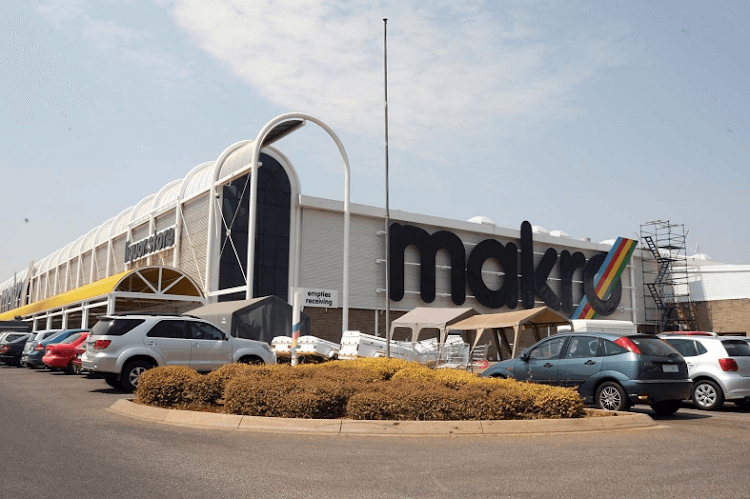
Walmart-owned retailer Massmart, whose brands include Makro and Game, warned on Thursday it had swung into a loss in its...

Next Post

SARS revises guide on new hire tax incentive

  • Terms and Conditions
  • Disclaimer

© 2011 Customs Today -World's first newspaper on customs. Customs Today.

No Result
View All Result
  • Transfers and Postings
  • Latest News
  • Karachi
  • Islamabad
  • Lahore
  • National
  • Chambers & Associations
  • Business
  • About Us

© 2011 Customs Today -World's first newspaper on customs. Customs Today.