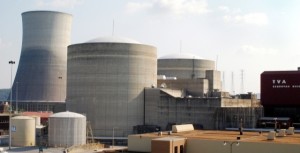
KARACHI: A large section of civil society, fishermen, experts and residents of nearby areas has expressed their concerns over the inauguration of two nuclear power plants by Prime Minister Nawaz Sharif near Paradise Point.
In a joint statement, Pakistan Institute of Labour Education and Research (PILER) Chairman Karamat Ali, Pakistan Fisherfolk Forum (PFF) President Mohammad Ali Shah, Shehri-Citizens for Better Environment Chief Roland deSouza, Human Rights Commission of Pakistan Vice Chairman Asad Iqbal Butt, physicist Dr AH Nayyar and senior architect Dr Arif Belgaumi said that the project was moving forward with reckless disregard for the safety and wellbeing of the 20 million people living in Karachi.
You might also like


They said the federal and provincial governments had failed to seriously consider the risks incurred from these nuclear power plants and the potentially devastating consequences of a nuclear accident. They said the approval for the project came without a proper public consultation and the project involves repeated failures to uphold environmental laws devised to protect the public.
The representatives of civil society said the disregard for public consultations and legal obligations had become evident when initially the Environmental Impact Assessment (EIA) report was submitted in utmost secrecy and not made accessible for public via a consultation process.
They lambasted the Sindh Environment Protection Agency (SEPA) for becoming a part of this recklessness when it first approved the initial EIA report in haste without public consultation, even though it was required by law. They said though a public hearing had been held later at the orders of Sindh High Court buts its manner was highly objectionable.
Moreover, they said, the reactor would also release a large amount of heat into the Arabian Sea for the next 60 years, harming marine life and thus the livelihood of fishermen.
Besides, the reactor was a new design which had never been tested. Hualong-1 design is a hybrid French technology and the first reactor of this kind being constructed in China with at least 15 percent of its components imported from France. The experts said China will not be allowed to use those components in the reactors being built in Karachi and instead the parts will be Chinese, making the city the first testing ground for the equipment.