

CANADA: What good is a diamond so small that you need one of the most powerful microscopes in the world to see it? Scientists are working on ways to use these tiny treasures to deliver drugs more effectively.
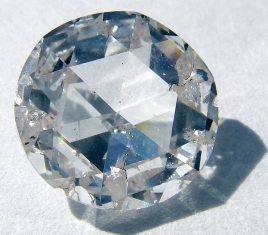
Nanodiamonds are much like the diamonds you’ve seen on expensive jewelry — they are faceted, extremely hard and made up of carbon atoms — but shrunk down to a mind-bogglingly small scale. Whereas a typical sheet of paper is about 100,000 nanometers thick, a nanodiamond is just four to six nanometers across. At this minuscule scale, physical properties emerge that make the diamonds very desirable for drug delivery and could help pave the way to personalized medicine, according to a report published in the journal Science Advances.
“Nanodiamond surfaces are faceted, like sharp-edged soccer balls, and the electrostatic properties of these surfaces enable certain therapeutics to bind in a potent fashion,” lead study author Dean Ho of the University of California, Los Angeles told Tech Times.
Hanging onto drug molecules is an important job. Tumors, for example, can become resistant to treatment and eject drugs from their cells. Studies have shown that attaching drug molecules to nanodiamonds can prevent tumors from popping them right back out.

Karachi Port sets 138-year cargo handling record
KARACHI: Pakistan's maritime sector has achieved a major milestone as Karachi Port set a new record in its 138-year history...