
NEW YORK: Electronics, auto parts and clothes from Asia are streaming through the second-busiest U.S. port at record levels, signaling retailers’ confidence in the economy and consumers’ eagerness to buy.
The Port of Long Beach — which is poised to overtake neighboring Los Angeles next year to become the No. 1 shipping gateway in the country — had a record month in July, with cargo volume up 18 percent from July 2014. Figures being released later this month will show unprecedented traffic again in August, and early signs in September are “very very encouraging,” Jon Slangerup, the Long Beach port’s chief executive officer, said in an interview at Bloomberg’s offices in New York last week.
Overall, the two ports are handling 4 percent more cargo this year than last, Slangerup said. With consumers showing no letup, he predicted a record year for Long Beach in 2015, taking out pre-recession highs set in 2007. West Coast ports are poised to regain share lost earlier in the year, when backlogs led clients to divert cargo to East Coast destinations like Savannah, Georgia, he said.
“When you look at the macros, you look at unemployment, consumer confidence, savings, available discretionary spending, all of those numbers suggest that we have more to spend,” Slangerup said. “The economy here is super strong relative to the rest of the world, and the strongest I’ve seen it in a very long time.”
Traffic at the Port of Los Angeles has been less impressive; after the second-best month ever in March, volume was down in three of the next four months. Still, the overall trend is encouraging, and orders for next year suggest volumes will pick up late this year, said Gene Seroka, executive director of the Port of Los Angeles.
“It’s not just a big one-time spike during the peak season,” Seroka said.
Both ports lost business during a dispute between the labor union for 20,000 dockworkers and their employers, which all but paralyzed the 29 commercial seaports on the West Coast for four months. Slangerup said in February that labor issues accounted for 80 percent of a bottleneck that kept as many as 36 vessels idling at sea for days at a time.
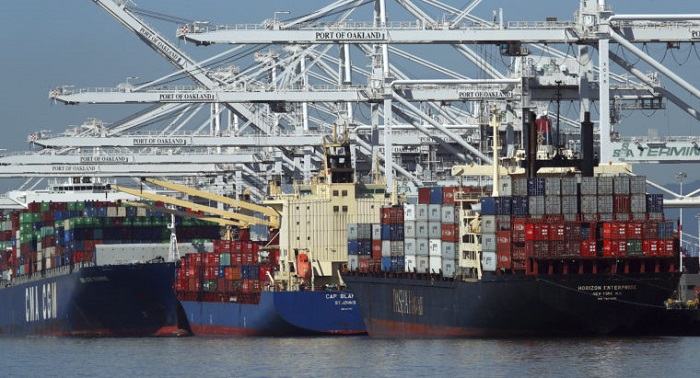
Shipping activity at Port Qasim on February 11
KARACHI: Three ships namely, Glen Canyon, Al-Salam- II and TSM Pollux carrying Containers, Gas oil and Palm oil were arranged...