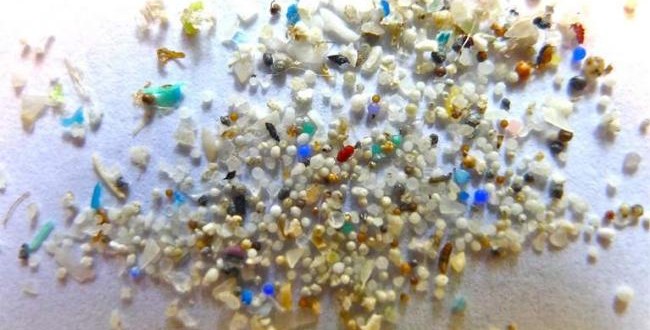


BRENT: A new study shows that 8 trillion plastic Microbeads enter aquatic habitats in the United States each day, threatening wildlife all across the country. This report was published in Environmental Science & Technology and was compiled by researchers from seven different institutions.
These microbeads are one part of the microplastic problem in oceans, freshwater lakes and rivers, but are a special concern because in many products they are literally designed to be flushed down the drain. And even at conservative estimates, the collective total of microbeads being produced today is enormous.
In an article just published in the journal Environmental Science and Technology, scientists from seven institutions say that nontoxic and biodegradable alternatives exist for microbeads, which are used in hundreds of products as abrasive scrubbers, ranging from face washes to toothpaste. Around the size of a grain of sand, they can provide a gritty texture to products where that is needed.
“We’re facing a plastic crisis and don’t even know it,” said Stephanie Green, the David H. Smith Conservation Research Fellow in the College of Science at Oregon State University, and co-author of this report.
“Part of this problem can now start with brushing your teeth in the morning,” she said. “Contaminants like these microbeads are not something our wastewater treatment plants were built to handle, and the overall amount of contamination is huge. The microbeads are very durable.”
In this analysis, and using extremely conservative methodology, the researchers estimated that 8 trillion microbeads per day are being emitted into aquatic habitats in the United States – enough to cover more than 300 tennis courts a day. But the other 99 percent of the microbeads – another 800 trillion – end up in sludge from sewage plants, which is often spread over areas of land. Many of those microbeads can then make their way into streams and oceans through runoff.
“Microbeads are just one of many types of microplastic found in aquatic habitats and in the gut content of wildlife,” said Chelsea Rochman, the David H. Smith Conservation Research Postdoctoral Fellow at the University of California/Davis, and lead author on the analysis.

Karachi Port sets 138-year cargo handling record
KARACHI: Pakistan's maritime sector has achieved a major milestone as Karachi Port set a new record in its 138-year history...