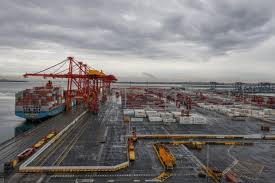
LONDON: Container volumes at the Port of Savannah rose 4.4 percent in August from the same period in 2014, an indication that the torrid pace of 10 to 27 percent year-over-year growth rates experienced in previous months could moderate as shippers return to the West Coast.
Now that trade patterns are returning to normal, import growth on the East Coast appears to be moving back to the more normal range of 4 to 5 percent. Curtis Foltz, executive director of the Georgia Ports Authority, told JOC.com he is pleasantly surprised that Savannah has been able to retain that level of growth as container volumes at West Coast ports picked up in line with the normal seasonal trend.
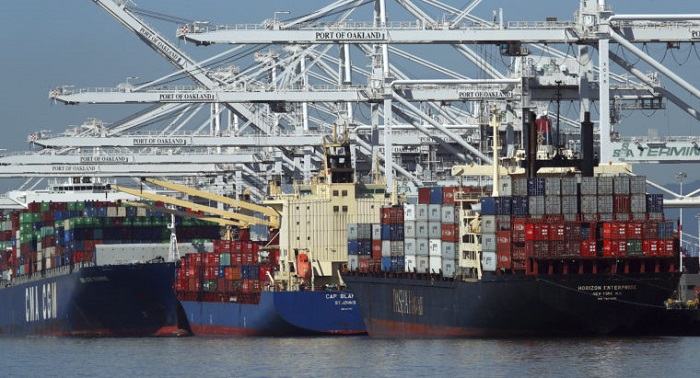

Year-to-date, the Georgia port is still way ahead of the game, with a growth in overall container volume of 16.6 percent during the first eight months of the year compared to the same period in 2014.
The surge in container volume earlier this year occurred at least in part because of West Coast port congestion during the prolonged contract negotiations between the International Longshore and Warehouse Union and Pacific Maritime Association. The five-year longshore contract was approved in May and port congestion slowly dissipated after that.
Savannah’s investments in port and transportation infrastructure prepared the port to handle the increased volumes. “The authority’s policy of continuous reinvestment in port infrastructure has allowed Georgia’s deepwater ports to accommodate unprecedented freight expansion,” Foltz told the board Monday. Continued cargo growth and the anticipated arrival of even larger ships verify that continued investment in port infrastructure will be necessary.
For U.S. ports as a whole, growth in imports in the mid-single digits has become the norm in recent years. The latest Global Port Tracker published by the National Retail Federation and Hackett Associates projected that U.S. containerized imports in calendar year 2015 will be 5.4 percent higher than in 2014. Imports are driving most of the U.S. port growth this year. Exports are languishing due to the strong dollar, which makes exports more costly overseas, and weak growth in the economies of major trading partners in Asia and Europe.
Traffic flows in the trans-Pacific import trade from Asia appear to be slowly returning to traditional patterns. In past years, East Coast ports performed better than West Coast ports in the spring and summer months as retailers took advantage of lower all-inclusive rates on all-water services from Asia.
As the peak holiday-shipping season kicked in during the late summer and fall, retailers shifted more of their higher-value, time-sensitive shipments to the West Coast. All-inclusive rates through West Coast ports, including intermodal rail charges, are higher, but retailers pay the extra cost to save a week to 10 days on transit times.