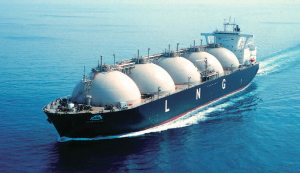
WASHINGTON: LNG imports by Asian buyers fell 1.2% year on year to 13.22 million mt in September as those in North Asia had limited capacity to take additional cargoes due to high inventories carried over from the summer.
September imports were also down 2.9% from August as peak power demand ended in North Asia. This compares with a 6.8% month-on-month fall in September 2014 and an 8.2% fall in September 2013. Platts data is based on estimates of volumes delivered by ship. Customs data for any month is usually available 3-6 weeks after the month ends.


Platts JKM spot LNG prices for September delivery averaged $8.007/MMBtu, down 25.2% year on year, amid renewed buying interest from portfolio sellers and traders holding short positions into countries with ongoing buy tenders such as India, Pakistan, Egypt and Jordan.
Importers in India had issued multiple tenders and expressions of interest for prompt cargoes, with deals for volumes originating from Australia and Papua New Guinea LNG concluded at close to $8/MMBtu for late-August and September delivery.
September trading had opened at $7.825/MMBtu before rallying to $8.20/MMBtu toward the middle of the assessment period as cargoes dried up following the spate of deals. Demand from North Asian buyers in September was down 5.4% year on year at 10.98 million mt as buyers exited peak demand summer season with higher-than-expected inventory levels.
The only North Asian market to increase LNG imports in 2015, Taiwan, was starting to show some weakness after lower-than-expected summer power demand. Taiwan imported 1.23 million mt of LNG in September, down 9% year on year, ending a run of 12 straight months of year-on-year increases.
It had announced earlier in the year that it was planning to increase LNG imports by 1 million mt in 2015 to offset a shortfall in nuclear and coal-based power generation capacity.
CPC followed up with new supply deals, signing strips with Qatar, Petronas and Guvnor for the additional volumes, but in September said it was now facing high LNG inventories after lower-than-expected summer temperatures and downstream consumption and was looking to defer cargoes.