
JURONG: The United States-led Trans-Pacific Partnership (TPP) trade agreement of 12 Pacific Rim countries, including the US, Japan, Brazil and Australia, is widely seen as the most important economic pact in recent years.
The deal that covers about 40 per cent of the world economy cuts import tariffs and sets common standards for trade and a range of related issues such as market access, intellectual property rights and finance.
Although the agreement was signed in Atlanta in the US after five years of sometimes bitter and tense negotiations, it must be ratified by lawmakers from every country.
The TPP, when in place, will almost definitely have a major impact on Hong Kong as a premier regional hub of commerce and finance.
The fact China is not a member of the pact has led some economic analysts to warn that Hong Kong’s role as the “super-connector”, as the government loves to say, could diminish.
In an article published in Shanghai Securities News last Saturday, People’s Bank of China chief economist Ma Jun predicted that the TPP would shave off an estimated 2.2 per cent from the mainland’s GDP.
The mainland manufacturing sector is expected to be hardest hit by increased competition from neighbouring economies which are members of the pact.
This, in turn, would trim the growth of Hong Kong’s export trade — which consists mainly of re-exports to and from the mainland.
The spillover effect of declining trade activities could have a far reaching impact on other services sectors. This includes trade financing, cargo handling and logistics.
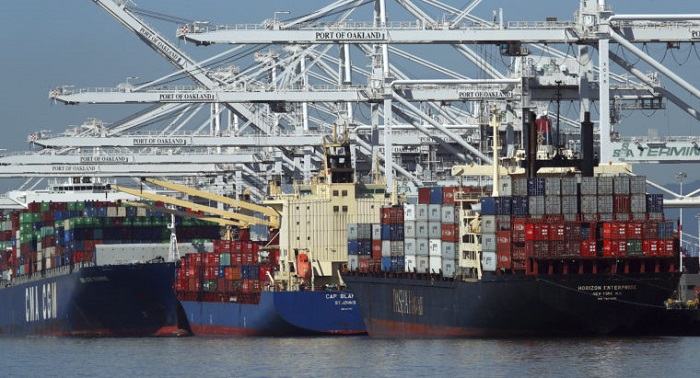
Shipping activity at Port Qasim on February 11
KARACHI: Three ships namely, Glen Canyon, Al-Salam- II and TSM Pollux carrying Containers, Gas oil and Palm oil were arranged...