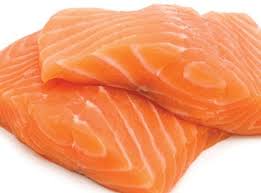
CANBERRA: Salmon farmers in Tasmania are aiming to ramp up exports to China, despite concerns that the expanding output may trigger environmental challenges.
The farmers are aiming to double production to 100,000 tonnes per annum over the next 15 years. Tasmanian salmon is hugely popular among Chinese consumers who have less preferences for locally produced food products.


“The Tasmanian story in China is good and it’s growing,” said Mark Ryan, CEO of Tassal Group, Tasmania’s biggest salmon farmer, according to a report in the Wall Street Journal. “They want Tasmania’s fresh products, and the first thing they ask for is salmon,” Ryan added.
Despite the sector’s growth in Tasmania, future growth may face hurdles thrown in by environmental groups who are apprehensive of the damage the aqua industry may cause to local reefs.
Chinese President Xi Jinping visited Tasmania in 2014 and his lunch of local salmon was prominently shown on Chinese state television. Shortly after the high profile visit, Tasmania’s biggest salmon producer, Tassal, signed a deal with China’s IKEA to supply smoked salmon to its stores.
Under the deal Tassal, for the first time, exports 20 percent of its smoked products to China. The scope of the order is expected to expand in the coming years, noted Mark Ryan, chief executive of Tassal Group.
Philip Wiese, deputy chief executive at Huon Aquaculture, said Chinese food companies are looking at aquaculture as the future source of protein. Huon is also expecting a deal with Chinese distributors and retailers in the next few months.
Australia’s free trade agreement with China, signed in June 2014 and this week supported by the Opposition after minor amendments were made, may give a boost to the salmon industry as it would take away the 12 percent tariff on salmon sold to China, noted the WSJ report.
New Zealand inked a similar deal with China in 2008 for its seafood exports and had windfall gains-exports to China increase four-fold over four years, touching AU$402 million. In 2014, Australia exported AU$35 million of seafood to China.
In salmon exports, Australia enjoys the advantage of lower transport costs to Asia. Ryan noted that it costs Tassal only AU$1.20 to send one kilogram of salmon to China, which is one third of the cost of getting it from Norway.
The Tasmanian state government is also very pro active in boosting the local salmon industry. Since 2011, it has enforced new rules on leases for new sites.
The right to approve new sites is vested with government officials. This followed the rejection of an expansion plan by Tassal in south-eastern Tasmania, by an independent panel. Tassal was the first salmon farmer in the world to have all its sites certified by the Aquaculture Stewardship Council, reports Fish Update.