TEHRAN: While many analysts appear to be fearful of a potential incremental rise in tanker ships’ supply, as a result of the imminent return of Iran in the global oil market, things might not necessarily pan out this way. As the world is gradually getting used to the idea that Iranian sanctions will be lifted, over the past few months further progress has been made in terms of legislation. According to the latest weekly report from shipbroker Gibson, “firstly, the US Congress failed to block the Iran nuclear deal reached in summer 2015. Secondly, the same deal has been approved by the Iranian parliament. The latest news is that on the 18th of October US authorities approved conditional sanctions waivers for Iran (known as Adoption Day). These waivers will only take effect after Iran complies with its commitments and this is verified by the IAEA (Implementation Day)”.
However, the question of how quickly will this happen, needs to be answered. According to Gibson, as per “several senior US officials, the Implementation Day is at the very least two months away; while most industry experts are of opinion that this is unlikely to happen before the first quarter of next year. If and when Iranian sanctions are lifted, it will have important implications for global oil markets. As it is, the world is awash with crude, following OPEC’s policy to defend its market share. At the same time, US crude oil production is not falling fast enough to balance supply and demand, despite prices remaining low. Finally, concerns are intensifying about the health of world economy, leading to lower expectations for global oil demand growth next year. In these circumstances, if Iran is able to rapidly increase its production and exports, this will only add more crude to an already heavily oversupplied market”.
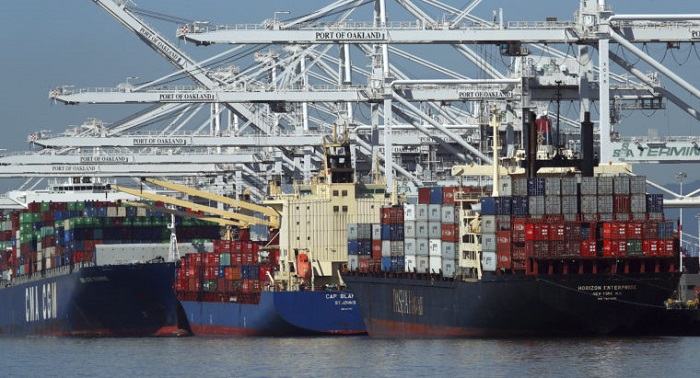

The shipbroker added that “undoubtedly, this year the overhang of crude oil has fuelled tanker markets not only in terms of supporting trade, but also leading to additional storage requirements and loading/discharge delays. As such, any increase in Iranian exports will at the very least elevate these inefficiencies in tanker transportation, supporting tight supply/demand balance. However, there are also concerns about the Iranian fleet, which will become internationally operational and is likely to compete aggressively in the conventional tanker market when sanctions are lifted”.
According to Gibson, “as of now, 37 VLCCs, 9 Suezmaxes and 5 Aframaxes are under control of the National Iranian Tanker Company (NITC). However, about half of the fleet is already employed, largely shipping Iranian crude to a limited number of international buyers (although there is some scope here for efficiency gains, such as faster speeds and reduced waiting time). The rest of the NITC fleet is used for crude/condensate storage, with the latest count at 20 units under the NITC control and 5 by other owners. If the nuclear dispute is resolved, a number of VLCCs used for storage, will continue doing so for operational/marketing reasons as was the case prior to sanctions”.