AUSTIN: Tired of waiting for Congress, states racing to deepen seaports before the opening of the enlarged Panama Canal next year are picking up the cost of what has traditionally been a federal duty.
With funding for coastal navigation channels at its lowest in a decade, port directors worry that the federal government is abandoning construction and maintenance of U.S. waterways just as builders churn out a new generation of huge container vessels. The so-called post-Panamax class carries loads twice the size of current ships and demands deeper harbors.
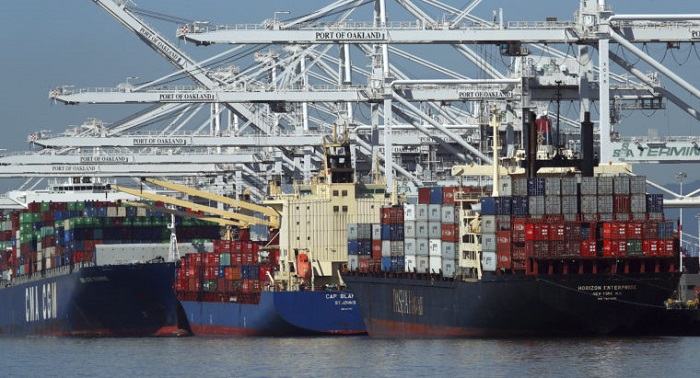

At least four ports in Texas, Florida and Georgia have decided to foot the bill to deepen federal waterways, a total of almost half a billion dollars, rather than wait years for funds. To berth post-Panamax ships, ports typically need 50 feet of depth; there are only four on the East Coast. Smaller facilities are looking for an edge to gain a bigger piece of the $4.6 trillion in economic activity generated at U.S. ports last year, a quarter of the gross domestic product.
“Efficiency’s the name of the game,” said John Walsh, CEO of the Canaveral Port Authority in Cape Canaveral, Florida, which is funding a deepening project with state and local money. “You will either be a port that can be a stop or you’re not.”
And not all ports are ready to let the U.S. government off the hook. The Port of Corpus Christi is trying to keep pace with increased activity related to manufacturing and energy production, and it has gotten approval from Congress to deepen its port to 52 feet. Though appropriations from Congress have yet to materialize, the port’s executive director says he has no other choice but to wait for federal money on a project that will cost more than $300 million.