DUBAI: The GCC region in 2016 will generate a modest economic rebound for most countries at 3.7 per cent after facing tough year in 2015 – GDP growth of three per cent, said Paris headquartered Euler Hermes.
The optimism is supported by its claim that there might be a slight rebound in oil prices – forecast to reach $60/barrel and supported by strong financial assets – as four of the top 10 sovereign wealth funds globally are based in the GCC.
“The current economic situation is an opportunity for GCC countries to press ahead with diversification – not just away from energy, but also within the energy sector itself. Given climatic and meteorological conditions, and the current appetite for policies promoting the green economy, solar energy is high on the list such as Solar GCC Alliance.
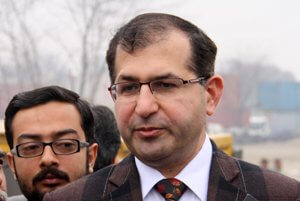
The UAE plans to invest $35 billion in ‘clean energy’ by 2021 and Saudi Arabia plans to spend $100 billion on solar projects by 2030,” Ludovic Subran, chief economist of Euler Hermes told Khaleej Times during 2015 International Trade Observa-tory summit on Thursday.
The worldwide leader in trade credit insurance, Euler Hermes, explained GCC could leverage on wealth based in its own domestic markets. In particular, UAE and the Dubai International Airport are al-ready retail centres.
“This is the right time for the GCC countries to make some significant improve-ments,” said Subran, who was on a visit to Dubai for the summit.
“Its structural business environment needs transparency and less bureaucracy, the private sector needs to be promoted, further trade liberalisation is required and aspects of competitiveness need to be addressed. The GCC influence worldwide is based on real estate, financial services and energy, but key for future growth is promoting regional cooperation rather than national competition.”
The UAE continues to be a very attractive and competitive market place for financial services and for Euler Hermes in particular. Credit insurance is still not widely used which is a pity since credit risk, es-pecially non-payments continue to increase.
“During my visit I have the opportunity to discuss global trends with exporters worried about the Asian air pocket and domestic trad-ers nervous about policy-making in the face of low commodity prices: austerity budgets or new taxes. UAE is showing responsiveness – cut in subsidies, VAT reform – and con-tinues to be a triple hub for finance, trade and infrastructure but more needs to be done to define the future,” said Subran.
Global GDP growth will remain below three per cent for the third consecutive year at 2.5 per cent in 2015 and mature markets have remained reasonably stable. “We have seen clear signs of deterioration in emerging economies. Global trade is set to lose at least $400 billion in 2015, reflecting strong deflationary pressures in the short-term.
Our expectations for the global economy remain conservative for 2016 (GDP 2.9 per cent), although with some signs of improvement,” said SubranMahan Bolourchi, Euler Hermes GCC CEO gave the key note address at the summit and said: “In 2016 GCC countries will absorb adverse external headwinds, and most of them will record higher GDP growth than in 2015 and continue to present solid risk profiles.
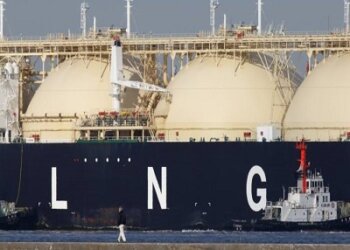
As major producers and exporters of oil and gas, recent downward pressures on prices are clearly detrimental to these countries’ economic performance. Proactive steps are already underway by local governments and economic institutions to reduce the dependency on oil, for example by further increasing industrial diversification and sector promotion.”
When asked Subran on UAE’s diversification plans and growth, he said: “Diversification is working but efforts need to be strengthened in spite of lower commodity export revenues. This is the key to counter cyclical policy-making: never to lose focus on the big ticket items and Dubai certainly made it its national pride to connect continents with state-of-the-art port and airport lo-gistics.