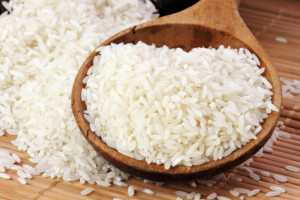
TEHRAN: Indirect export of basmati rice from India to Iran, via the United Arab Emirates (UAE), is helping India regain its basmati rice market. Four months after world leaders agreed to lift sanctions on Iran, Dubai has emerged the new stopover for India’s basmati rice exports to Iran.
There has been a sudden spurt in India’s basmati rice export to the UAE, from an average of 15,000 tonnes a month in 2014 to nearly 80,000 tonnes at present, according to data from rice traders.

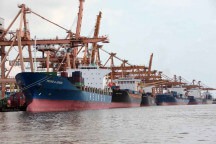
The UAE is Iran’s biggest non-oil trading partner. When sanctions on Iran were on, there had been a 30 per cent reduction in UAE’s export to Iran, according to a 2012 consultation paper of the International Monetary Fund.
Since the sanctions were lifted, the trade between two countries have returned to normalcy, which has given Indian basmati rice exporters the opportunity to use ports in Dubai to ship basmati rice to Iran. Direct exports of basmati rice to Iran are subject to permits by Iran to India, which had severely impacted Indian basmati rice exports. The rice exported to Iran via the UAE does not require permit.
Iran had stopped issuing fresh licences for import of basmati rice since October 2014, citing reasons such as high pesticide content and self-sufficiency in production. Iran has, however, decided to open a direct route to import basmati rice from India. Permits for Iranian importers are expected to be issued over the next two months.
Between August and September, India exported 81,000 tonnes of basmati rice to the UAE, compared to 18,000 tonnes in the year-ago period. According to rice exporters, about 80 per cent of the exports are shipped to Iran.
Iran’s annual demand for basmati rice is close to 2.4 million tonnes (mt), and its own production is 1.4 mt. This means, an annual import requirement of 1 mt. Thus, Iran needs to import about 100,000 mt of basmati rice every month to meet its demand.
“With a substantial amount of basmati rice export taking place via Dubai, the system of permits for rice exports is gradually becoming redundant. Moreover, the demand for basmati rice in Iran is gradually increasing. Earlier, in the wake of sanctions, Iran had built a substantial stock of rice.
As the sanctions are set to be removed, Iran has now resumed normal buying. The exports are almost same as that in the pre-permit regime if taken both from the UAE route and India,” said Vijay Sethia, former president of All India Rice Exporters’ Association.
Traditionally, basmati rice has been among India’s top agri-export commodity, and Iran the biggest buyer. Following Iran’s reluctance to buy basmati rice from India, exports have taken a major hit.
In 2014-15, India exported 0.93 mt of basmati rice to Iran compared with 1.4 mt in 2013-14, according to Agricultural and Processed Food Products Export Development Authority. The realisation from basmati rice exports to Iran in 2014-15 was Rs 6,759 crore, against Rs 10,976 crore in 2013-14 – a fall of 60 per cent.