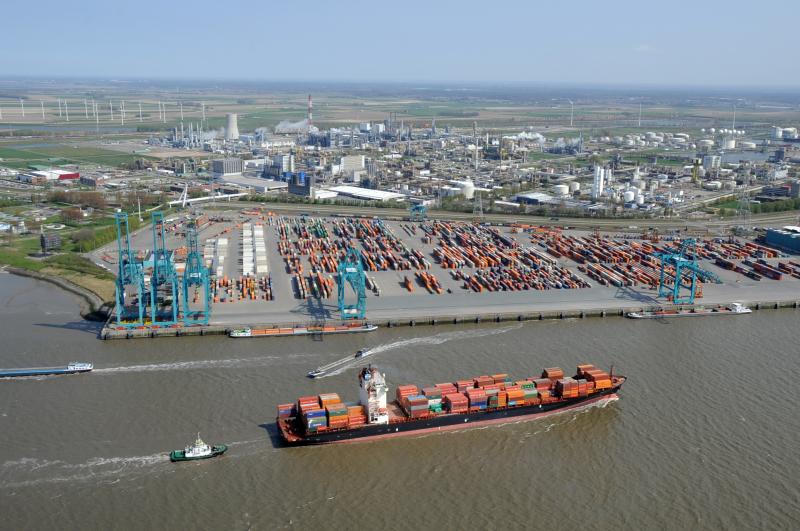
LONDON: South Florida’s seaports mostly enjoyed smooth sailing in the just-ended budget year.Port Everglades topped its record in container trade but hosted fewer multiday cruise passengers. PortMiami hit new highs in cargo and cruises, while business at Port of Palm Beach was mainly flat.
Gains for the year ended Sept. 30 came from a strengthening U.S. economy, as well as population growth and a rise in tourism in South Florida, among other factors, officials said.
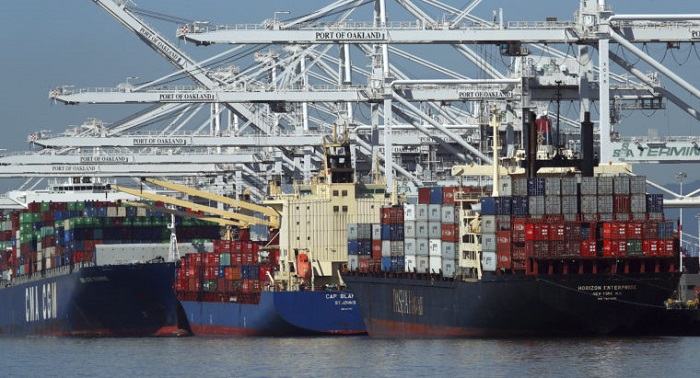

At Port Everglades in Fort Lauderdale, operating revenues rose slightly to $153.3 million, as cargo volumes grew. South Florida’s busiest seaport for freight handled 5 percent more containers in fiscal 2015 than a year earlier at a record 1.06 million TEUs, or 20-foot trailer equivalent units, officials said.
Gains came from new and expanded cargo services and from the first full year of a ship-to-train transfer facility opened by Florida East Coast Railway, said Port Everglades CEO Steven Cernak. That facility encourages delivery of cargo that can be quickly and economically sent by rail to points north.
Unlike most U.S. seaports, which mainly bring in foreign goods in containers, Port Everglades ships similar volumes in and out. Business has been growing in shipping out U.S. textiles to Central America and bringing them back sewn into T-shrts, underwear and other garments destined for U.S. sale.
“They call it The Threads Express on the Florida East Coast Railway,” said Jim Pyburn, the port’s director of business development. Added Cernak, “Probably 80 percent of the nation’s undergarments come in through Port Everglades, so we help you start your day.”
Among freight businesses expanding at the Broward County seaport were shipping lines Crowley, SeaLand and APL, plus melon importer Ayco Farms of Pompano Beach, officials said.
Fuel imports at Port Everglades also rose 4 percent beyond the 15 million tons imported in fiscal 2014. That’s partly because of record business at airports spurred by recent expansions, executives said. Port Everglades is prime entry point for gasoline and fuel imports for southern Florida.