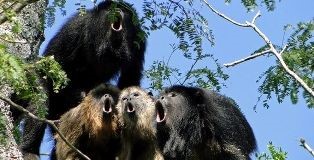
WASHINGTON: Experts around the globe stressed that over half of the world’s primates are on the brink of extinction. Primates, including lemurs, monkeys and apes, are dwindling in numbers due to widespread loss of natural habitat and illegal wildlife sale. Hunting primates for wild meat also contribute to their reduced population.
For the first time, the Sumatran orangutan, Philippine tarsier and Madagascar’s Lavasoa dwarf lemur joined the world’s most endangered species list. The world’s lesser-known but endangered primates are the research’s main highlights.


“We hope it will focus people’s attention on these lesser-known primate species, some of which most people will probably have never heard of,” said Bristol Zoological Society’s conservation director and lead primatologist Christoph Schwitzer.
The world has approximately 703 primate species and subspecies. Madagascar’s Lavasoa dwarf lemur was discovered only two years ago. Other lesser-known primates in peril are the Roloway monkeys from the Ivory Coast and Ghana. Africa’s red colobus monkeys and South America’s spider monkeys and howler monkeys have become man’s major targets in the hunt for wild meat.
International Union for Conservation of Nature’s Species Survival Commission chair Russell Mittermeier hoped the new report would push governments around the world towards the much-needed conservation actions for biodiversity. Just in time for the climate change conference in Paris, there are accumulating evidence that some primate species are capable of scattering tree seeds of tropical trees, which could help moderate the worsening effects of climate change.