Customs Today
  • Home
  • Islamabad
  • Karachi
  • Lahore
  • National
  • Transfers and Postings
  • Chambers & Associations
  • Business
No Result
View All Result
Customs Today
  • Home
  • Islamabad
  • Karachi
  • Lahore
  • National
  • Transfers and Postings
  • Chambers & Associations
  • Business
No Result
View All Result
Customs Today
No Result
View All Result
Home World Business

Uganda imported goods value fall by 9.2%

byCT Report
02/01/2016
in World Business
Share on FacebookShare on Twitter

KAMPALA: Uganda spent less in the first quarter of the financial year 2015 (from July to October) compared with the same period last year, due to the decline in oil prices and a reduction in imports, which saw the value of imported goods fall by $153.7 million.

The Bank of Uganda said the value of imported goods fell by 9.2 per cent from $1.68 billion for the July-October period in 2014 to $1.527 billion for the same period in 2015, due to a decline in the value of oil imports by 34 per cent, attributed to a fall in international oil prices.

You might also like

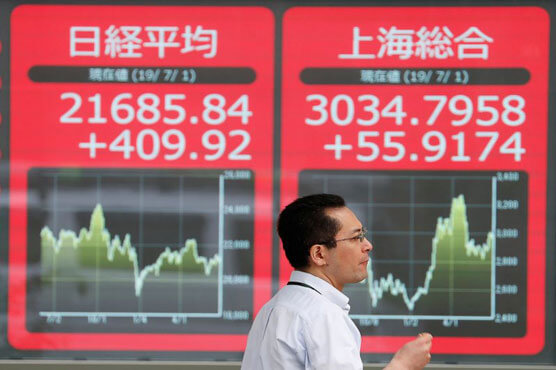
Markets, oil drop in Asia but bitcoin edges towards $50,000

12/02/2021

Asia markets slip as dealers take breath in holiday-thinned trade

11/02/2021

Executive director of research at the Bank of Uganda Adam Mugume said non-oil imports by the private sector declined by 8.1 per cent, from $1.245 billion to $1.144 billion, which could be reflective of declining private sector demand as well as the impact of global disinflation.

In terms of exports, the Bank of Uganda monetary policy report shows that in the first four months of the 2015/16 financial year, the value of goods exported fell by 4.6 per cent compared with the same period in 2014/15, due to a reduction in the price index, which declined by seven per cent, as opposed to the volume index, which increased by 2.5 per cent.

While presenting the monetary policy statement for December, the BoU Governor Emmanuel Tumusiime-Mutebile said the projection for the real economic growth for 2015/16 remains at five per cent, with a low inflation rate.

However, there are downside risks to the projected growth, including those from the external economic environment.

“The major risk factors may include: Slower growth in major emerging market economies; further decline in global commodity prices; reduced access to external finance for developing countries due to heightened perceptions of risks, and possible monetary policy tightening in the US. Consequently, our balance of payments in the short to medium-term will remain vulnerable to external shocks,” said the governor.

 

Related Stories

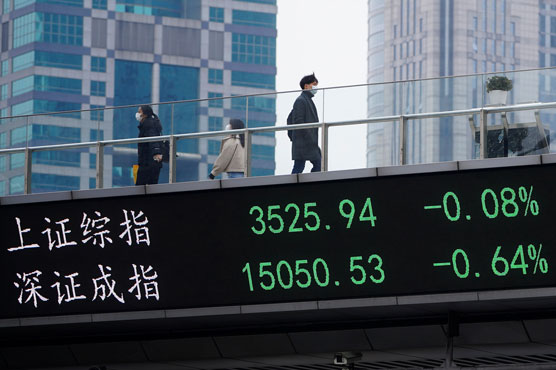
Markets, oil drop in Asia but bitcoin edges towards $50,000

byCT Report
12/02/2021

HONG KONG: Markets fell in Asia on Friday in holiday-thinned trade with investors awaiting developments in US stimulus talks, while...

Asia markets slip as dealers take breath in holiday-thinned trade

byCT Report
11/02/2021

HONG KONG: Asian equities pulled back on Thursday after a strong run-up in recent weeks as investors took a breather...

Asian markets push higher as traders focus on recovery outlook

byCT Report
10/02/2021

HONG KONG: Most Asian markets advanced again Wednesday as investors ignored a stall in Wall Street’s rally, with eyes firmly...

Asian markets track Wall St records on reopening hopes

byCT Report
09/02/2021

HONG KONG: Equities pushed ever higher in Asian trade on Tuesday following another record-breaking performance on Wall Street as vaccinations...

Next Post

Nepal to import 90 MW power from India

  • Terms and Conditions
  • Disclaimer

© 2011 Customs Today -World's first newspaper on customs. Customs Today.

No Result
View All Result
  • Transfers and Postings
  • Latest News
  • Karachi
  • Islamabad
  • Lahore
  • National
  • Chambers & Associations
  • Business
  • About Us

© 2011 Customs Today -World's first newspaper on customs. Customs Today.