Customs Today
  • Home
  • Islamabad
  • Karachi
  • Lahore
  • National
  • Transfers and Postings
  • Chambers & Associations
  • Business
No Result
View All Result
Customs Today
  • Home
  • Islamabad
  • Karachi
  • Lahore
  • National
  • Transfers and Postings
  • Chambers & Associations
  • Business
No Result
View All Result
Customs Today
No Result
View All Result
Home International Customs South Africa

SADC economies set for a comeback in 2016

byCT Report
20/01/2016
in South Africa
Share on FacebookShare on Twitter

CAPE TOWN: The World Bank says firmer commodity prices in 2016 could boost the economic growth prospects of most countries in the Sub Saharan Africa region.

According to the World Bank’s Global Economic Prospects, the region is expected to grow 4,2 percent this year, from 3,4 percent in 2014.


You might also like

lamic banking assets reach Rs14.47 trillion, sector share rises to 23%

07/03/2026
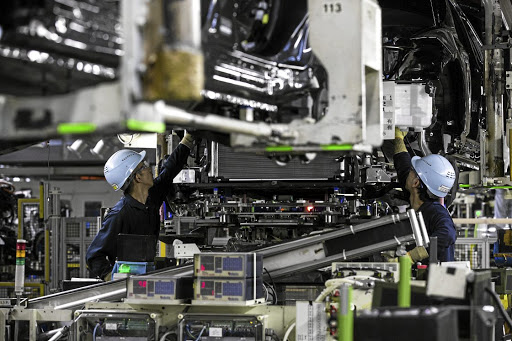
Toyota Motor Corp. employees work on the Crown vehicle production line at the company's Motomachi plant in Toyota City, Aichi, Japan, on Thursday, July 26, 2018. Toyota may stop importing some models into the U.S. if President Donald Trump raises vehicle tariffs, while other cars and trucks in showrooms will get more expensive, according to the automaker’s North American chief. Photographer: Shiho Fukada/Bloomberg

Toyota SA to invest over R4 billion in car assembly and parts

05/02/2020

With the current electricity constraints being experienced in most countries expected to persist as well as the drought in Southern Africa, the region is likely to record a somewhat weaker recovery in 2016 than previously anticipated.

However, an easing of the power constraints, better fiscal policy measures and continued stability in commodity prices are likely to impact positively on growth.

“Commodity prices are expected to stabilise but remain low through 2017. Although governments are taking steps to resolve power issues, electricity supply bottlenecks are expected to persist. There are, however, considerable variations within the region. The fiscal policy stance in commodity exporters is expected to ease gradually as commodity prices stabilise,” the report said.

According to Global Forecasting Services, the commodity market is poised for some recovery.

“Although we expect commodity prices to remain well below their 2011 peak in years to come, 2016 will be a year of stabilisation, with our aggregate commodity price index registering a modest 2.6 percent rebound. This will be driven by a mild increase in oil prices, which will feed into the price of other commodities.”

Besides the fall in commodity prices, African countries have had to contend with depreciation of local currencies against the US dollar which led to most countries allowing their exchange rate to adjust, especially among oil exporters.

The region’s pattern of exports makes it particularly vulnerable to commodity price shocks. Fuels, ores, and metals accounted for more than 60 percent of the region’s total exports between 2010 and 2014 compared with 16 percent for manufactured goods. Lower commodity prices obliged a fiscal tightening in several commodity exporters, which caused a sharp slowdown.

Since October last year, Angola, Nigeria, Ghana, South Africa, Tanzania, Uganda and Zambia’s currencies have experienced depreciations of significant magnitude, reflecting existing or rising domestic vulnerabilities.

Related Stories

lamic banking assets reach Rs14.47 trillion, sector share rises to 23%

byCT Report
07/03/2026

KARACHI: Pakistan’s Islamic banking sector expanded during 2025, increasing its share in the country’s financial system with assets reaching nearly...

Toyota Motor Corp. employees work on the Crown vehicle production line at the company's Motomachi plant in Toyota City, Aichi, Japan, on Thursday, July 26, 2018. Toyota may stop importing some models into the U.S. if President Donald Trump raises vehicle tariffs, while other cars and trucks in showrooms will get more expensive, according to the automaker’s North American chief. Photographer: Shiho Fukada/Bloomberg

Toyota SA to invest over R4 billion in car assembly and parts

byadmin
05/02/2020

Toyota SA Motors (TSAM) has announced a R4.28bn investment in local vehicle assembly and parts supply. Speaking at the company’s...

Toyota Motor Corp. employees work on the Crown vehicle production line at the company's Motomachi plant in Toyota City, Aichi, Japan, on Thursday, July 26, 2018. Toyota may stop importing some models into the U.S. if President Donald Trump raises vehicle tariffs, while other cars and trucks in showrooms will get more expensive, according to the automaker’s North American chief. Photographer: Shiho Fukada/Bloomberg

Toyota SA to invest over R4 billion in car assembly and parts

byadmin
03/02/2020

Toyota SA Motors (TSAM) has announced a R4.28bn investment in local vehicle assembly and parts supply. Speaking at the company’s...

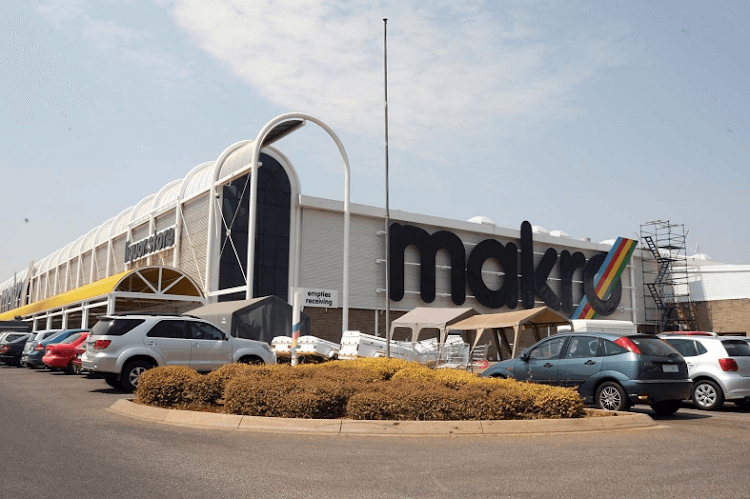
Massmart warns of almost R1.4bn loss as SA consumers struggle

byadmin
30/01/2020

Walmart-owned retailer Massmart, whose brands include Makro and Game, warned on Thursday it had swung into a loss in its...

Next Post

Vietnam retail price of petrol sharply cut to 5 year low

  • Terms and Conditions
  • Disclaimer

© 2011 Customs Today -World's first newspaper on customs. Customs Today.

No Result
View All Result
  • Transfers and Postings
  • Latest News
  • Karachi
  • Islamabad
  • Lahore
  • National
  • Chambers & Associations
  • Business
  • About Us

© 2011 Customs Today -World's first newspaper on customs. Customs Today.