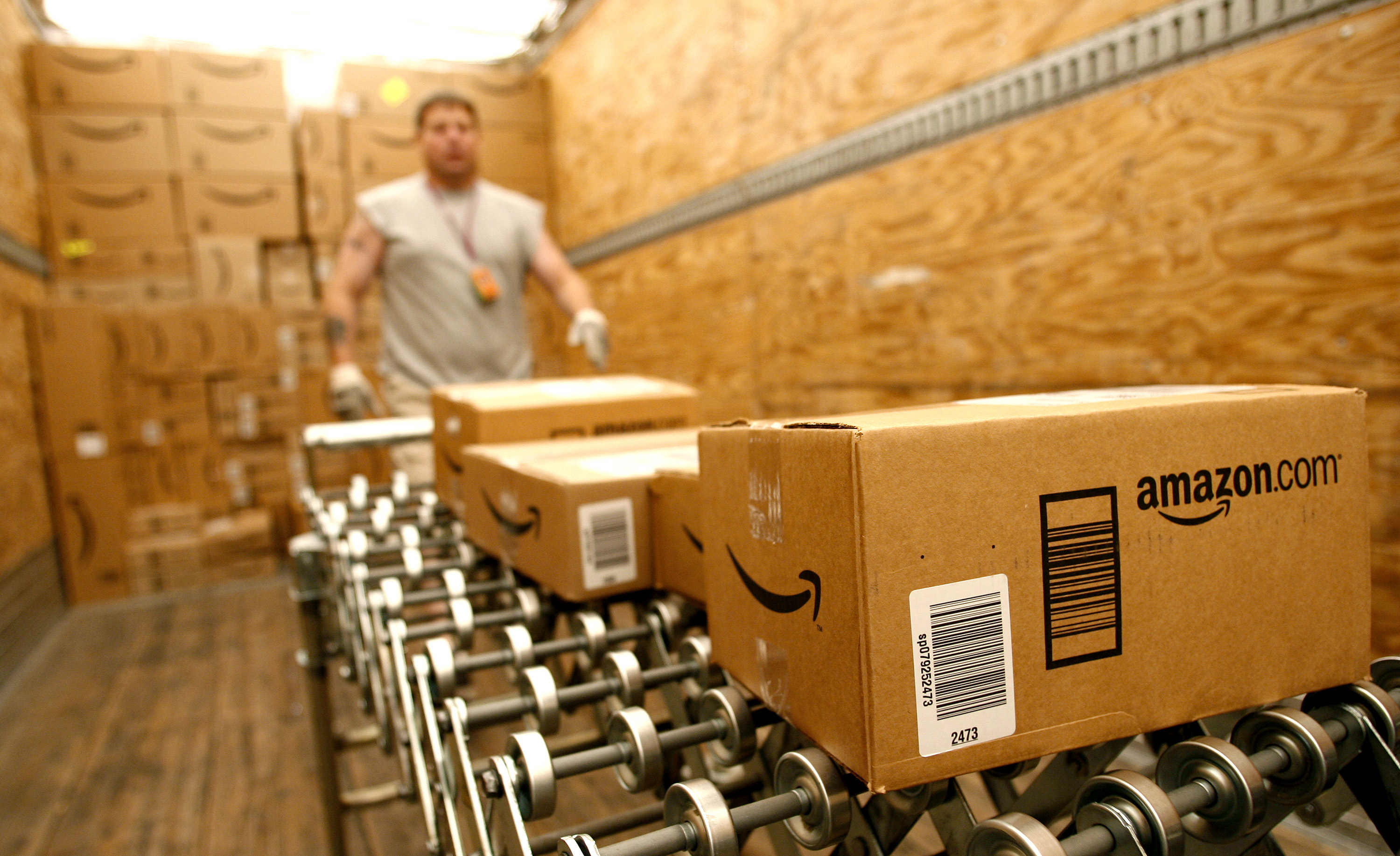
WASHANGTON: Stephen Colbert heard Amazon was delaying shipments of books published by Hachette up to four weeks because of a dispute over e-book pricing, he took to the airwaves.
He was so incensed, he recommended that readers slap stickers on their Hachette books, boasting they didn’t buy them on Amazon.


The battle between Amazon and Hachette became a circus after it went public. Since then, not only have Amazon and Hachette spoken publicly but authors have too.
The battle came down to the question of who had the power to set e-book pricing, and how low those prices could go. But it also exemplified the effects the Internet age has had on these types of standoffs between corporate titans.
You need not look far for another pitched battle. Taylor Swift pulled her entire catalog of music from Spotify. I just don’t agree with perpetuating the perception that music has no value and should be free.
The Amazon-Hachette feud was particularly nasty. biggest online retailer in the US, began removing preorder buttons from upcoming Hachette titles in May and refusing to restock its books. It also stopped stocking Hachette’s titles, leading to longer shipping times for US customers.
The company tried to curry favor with the public and authors, at one point publishing a message on its site that noted its proposal to have 100 percent of e-book revenue for Hachette’s titles go directly to authors. Hachette turned down the offer, according to the message.
There was also no shortage of columns analyzing the greater tug-of-war. Headlines like “Amazon’s Tactics Confirm Its Critics’ Worst Suspicions and Amazon doing the world a favor by crushing book publishers” became a common sight over the past few months.
With negotiations private both Amazon and Hachette say they’re pleased with the results, it’s unclear who came out on top.
That’s because not all negotiations have become such a spectacle. Amazon was able to strike a deal with publisher Simon and Schuster last month over e-book pricing without so much public posturing.
Authors with upcoming work may look at the dispute and decide to be published elsewhere, he said, because they perceive that these guys don’t get along with Amazon.