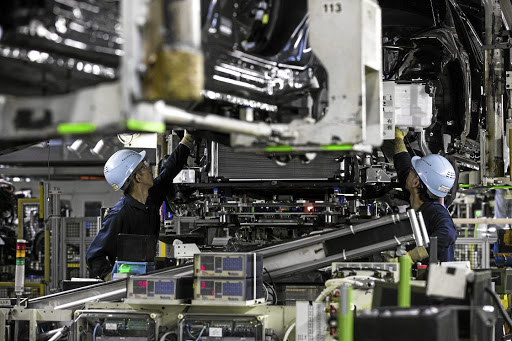
HANOI: Small and medium-sized enterprises (SMEs) can borrow up to 70 per cent of the capital they need for investing in supporting industries prioritised by the government from February 22.
This is stated in the State Bank of Viet Nam’s (SBV’s) Circular No 01/2016/TT-NHNN, which was issued on February 4 to provide guidelines for a decree on the development of supporting industries.

Decree No 111/2015/ND-CP, issued last November 3, said preferential policies related to credit, taxes and land rents would be offered to projects applying new technology, equipment and manufacturing processes that can help increase their production capacity by at least 20 per cent.
It also said the money borrowed by the SMEs must be guaranteed by credit underwriting organisations, and the SMEs must register a mortgage value of at least 15 per cent of the loans at the lending institutions.
The firms should also have at least a 20 per cent stake in the investment projects, and they must not owe anything to the state budget or be responsible for any bad loans with any lenders.
According to the circular, credit institutions and foreign banks’ branches in Viet Nam will finance the prioritised projects with short-term loans in dong, with interest rates being equal to or less than the specific rates set by the central bank’s governor at certain periods of time.
The Viet Nam Development Bank and other organisations authorised in conformity with the law would be the guarantors of the SME loans, the circular said. Industry insiders asked, however, whether the loan incentives could truly help domestic SMEs take part in the development of supporting industries, as Viet Nam integrated more deeply with the global economy.
As the country has entered into a variety of free trade agreements, especially the large Trans-Pacific Partnership trade deal, multi-national companies might take up supply chains right in the domestic market.
Yasuzumi Hirotaka, chief representative of the Japan External Trade Organisation in HCM City, told news website enternews.vn that Viet Nam still lacked a solid foundation for supporting industries, with the enterprises being internally weak.
“There is a high risk that many of them will have to withdraw from the market. This will be clearly seen in the next one year or two, so the domestic firms need timely support from the government to improve their strength now,” he said. He said about four million SMEs were offered low interest rates for loans in Japan, following government policies.
In Viet Nam, SMEs and support industries are among several areas that the government prioritises for funding, besides exports, high-tech firms and agriculture and rural development. According to the latest SBV report on dong lending rates, commercial banks applied rates of six to seven per cent per year for short-term loans, and nine to 10 per cent per year for medium to long-term loans, in the prioritised sectors in January.
In normal business areas, the short-term rates were between 6.8 per cent and nine per cent per year, and the medium to long-term rates were between 9.3 per cent and 11 per cent per year.