Customs Today
  • Home
  • Islamabad
  • Karachi
  • Lahore
  • National
  • Transfers and Postings
  • Chambers & Associations
  • Business
No Result
View All Result
Customs Today
  • Home
  • Islamabad
  • Karachi
  • Lahore
  • National
  • Transfers and Postings
  • Chambers & Associations
  • Business
No Result
View All Result
Customs Today
No Result
View All Result
Home Op-Ed Editorial

Agricultural sector needs attention

byDr. Aftab Afzal
03/03/2016
in Editorial, Latest News, Op-Ed
Share on FacebookShare on Twitter

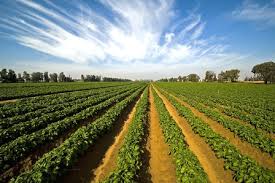
The nation was expecting a sharp increase in the Pakistan’s exports after the European Union granted GSP Plus Status to the country. Instead, it has been recorded a drastic downfall of 14.4 percent in exports during the current fiscal year. The exports of Bangladesh have increased by 8 percent during the same period. However, the economists still believe that Pakistan has the potential to increase its exports if it concentrates on the agricultural sector and increases per acre yield by shifting to hybrid seeds and modern technology.The Pakistan Agricultural Research Council is now introducing hybrid maize seeds in the agriculture sector in a bit to get quality yield. This will not only cater to the needs of the nutritious food for the countrymen, but will also help export the excess yields. For the purpose, the Pakistani institutions will have to collaborate with agricultural organizations of the developed countries to get skill and technology.

At the moment, the country’s farmers need to know modern production practices for the major crops, including wheat, maize, rice, livestock, fruits and vegetables. Pakistan is a major producer of rice, pulse, citrus fruit and milk in the world, but the people associated with agriculture sector mostly depend on the traditional methods. The country needs the varieties of maize which could resist drought and heat stresses with enhanced nutritional quality. The crops should also have the quality to resist insect attacks. However, benefits of technology could not be availed unless a corporate culture is introduced in the agriculture sector. Modern factories can be established in rural areas to process food and beverage not only to fulfill the food demands of the country, but also for exports. The cotton and textile sector has been battered by unfavourable circumstances and incessant energy crisis. The lack of incentives for the investors and harsh and complex tax system adds insult to injury.
You might also like

FTO faults FBR over delayed women enterprise tax relief in IRIS

27/08/2026
The Supreme Court of Pakistan building in Islamabad, Pakistan, on Tuesday, April 5, 2022. To avoid losing a no-confidence vote in parliament, Pakistan leader Imran Khan instead triggered an unprecedented political crisis. Now the question is whether voters will reward him at the next election. Photographer: Asad Zaidi/Bloomberg via Getty Images

SC upholds CCP price-fixing finding against PVMA, orders Rs30m penalty deposit

27/08/2026

The government officials often blame the economic slowdown in the United States, the European Union and the Middle East, which are the major export markets of the country, for declining trends in exports. But exports from China, India and Bangladesh have increased many fold during the slowdown period. It means some home factors are more responsible for decline in exports than the foreign factors. And the most pressing issue confronting the country’s industry is shortage of electricity. Electricity is also expensive in the country as compare to the countries in the region and which are competitors in the international market. If the government wants to improve exports, it will have to encourage investors to take interest in the agriculture sector, which has huge business potentials.
Related Stories

FTO faults FBR over delayed women enterprise tax relief in IRIS

byCT Report
27/08/2026

LAHORE: The Federal Tax Ombudsman (FTO) has criticised the Federal Board of Revenue (FBR) for failing to operationalise a legal...

The Supreme Court of Pakistan building in Islamabad, Pakistan, on Tuesday, April 5, 2022. To avoid losing a no-confidence vote in parliament, Pakistan leader Imran Khan instead triggered an unprecedented political crisis. Now the question is whether voters will reward him at the next election. Photographer: Asad Zaidi/Bloomberg via Getty Images

SC upholds CCP price-fixing finding against PVMA, orders Rs30m penalty deposit

byCT Report
27/08/2026

ISLAMABAD: The Supreme Court of Pakistan has upheld the Competition Commission of Pakistan’s (CCP) finding that the Pakistan Vanaspati Manufacturers...

Inclusive finance advances as lending expands to key productive sectors: Khurram Schehzad

byCT Report
27/08/2026

ISLAMABAD: Advisor to the Finance Minister, Khurram Schehzad on Thursday said Pakistan’s agenda of inclusive finance was making visible progress,...

Pakistani banks face $800m annual charges for remittance collection

byCT Report
27/08/2026

ISLAMABAD: A Senate standing committee meeting has revealed that Pakistani banks pay around $800 million annually to overseas banks for...

Next Post

Singapore factory activity hits 3-year low in Feb

  • Terms and Conditions
  • Disclaimer

© 2011 Customs Today -World's first newspaper on customs. Customs Today.

No Result
View All Result
  • Transfers and Postings
  • Latest News
  • Karachi
  • Islamabad
  • Lahore
  • National
  • Chambers & Associations
  • Business
  • About Us

© 2011 Customs Today -World's first newspaper on customs. Customs Today.