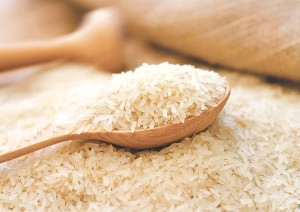
KATHMANDU: Nepal’s rice imports from India jumped to a staggering Rs13.43 billion in the first eight months of this fiscal year, according to a Nepal Rastra Bank (NRB) report. In the same period last year, rice and paddy imports bills stood at Rs9.91 billion. Agro experts said the figure represents a significant imbalance in what Nepal grows and eat. “Irrigation, inputs and manpower are extremely important for food production. We lack of all these resources. Hence, the imbalance between production and consumption has been growing every year,” said Hem Raj Regmi, deputy director general at the Central Bureau of Statistics.
This fiscal year, even as the imports of most of the commodities from India have dropped due to a six-month-long trade embargo since September last year, rice imports continued to rise.


“Imports of food grains are expected to rise further as the winter crop harvest, particularly wheat output, has been projected to be dismal,” he said. “Already, Nepal’s paddy output last summer had dropped by more than 10 percent and deficit has been visible in the market with such an alarming imports bill.” According to Regmi, rice-culture is still a general food habit in Nepal and if the paddy production drops, the deficit is offset by imports from India.
Food Imports bill has also been spurred by increasing disposable incomes of the Nepalis. “Obviously, rising income means, people prefer to eat imported foods,” he said, adding for instance, the import of basmati rice has been increasing in a dramatic way. The central bank’s statistics show along with rice and paddy, imports of other agricultural commodities like vegetables and fruits have also jumped sharply. However, despite the jump in the imports, it has not affected prices in the market.