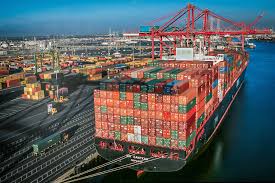
WASHINGTON: The ports of Los Angeles and Long Beach will likely be able to continue growing despite the soon-to-be-completed Panama Canal expansion and last year’s labor strife that diverted cargo away from West Coast, according to real estate firm CBRE. But the East and Gulf coasts are gaining clout. Whereas West Coast ports accounted for 57 percent of shipping container traffic in 2010, that share slid to 52 percent as of last year, according to CBRE.
The Los Angeles-based firm on Thursday published its second annual report that analyzes trends affecting U.S. seaports and ranks ports by factors such as container volume, infrastructure that allows the movement of goods and the health of nearby industrial real estate markets. In the rankings, the Port of Long Beach claimed the No. 1 spot; it was second behind neighboring Port of Los Angeles in the last report.
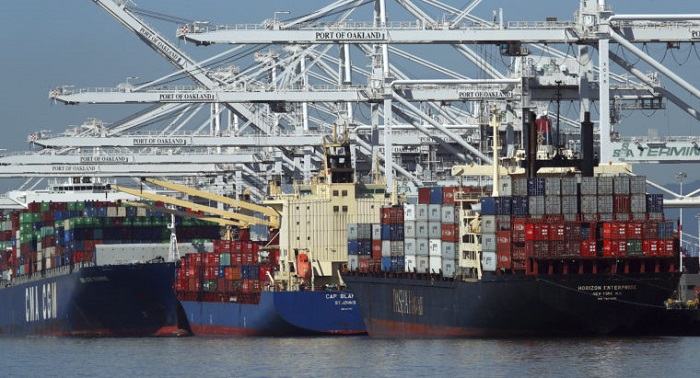

The Port of Los Angeles, meanwhile, slid two slots from first to third place, while the Port of New York and New Jersey took second. The Ports of Savannah and Houston both rose in CBRE’s rankings to claim fourth and fifth place.
The report’s authors determined that the work slowdowns of early 2015 related to labor strife on the West Coast likely accelerated the diversion of goods from West Coast to Gulf and East Coast destinations that had been anticipated to accompany upgrades to the Panama Canal. Nevertheless, CBRE also reported that West Coast ports have performed well during the early months of this year, and a senior managing director at CBRE said the Los Angeles and Long Beach ports are well-positioned to unload cargo from increasingly massive ships carrying goods from Asia. “Certainly, we lost that market for a bit, but the cargo has slowly been returning to the West Coast ports,” said CBRE senior managing director Kurt Strasmann.