JAKARTA: Indonesia’s plan to track all credit card transactions in a bid to crack down on rampant tax evasion is pushing people back to cash, stifling government efforts to track illicit money flows.
A new government decree requiring credit card providers to submit transaction details – including customer and merchant identities – to the tax office as of May 31 appears to be spooking consumers with card activity falling in April.
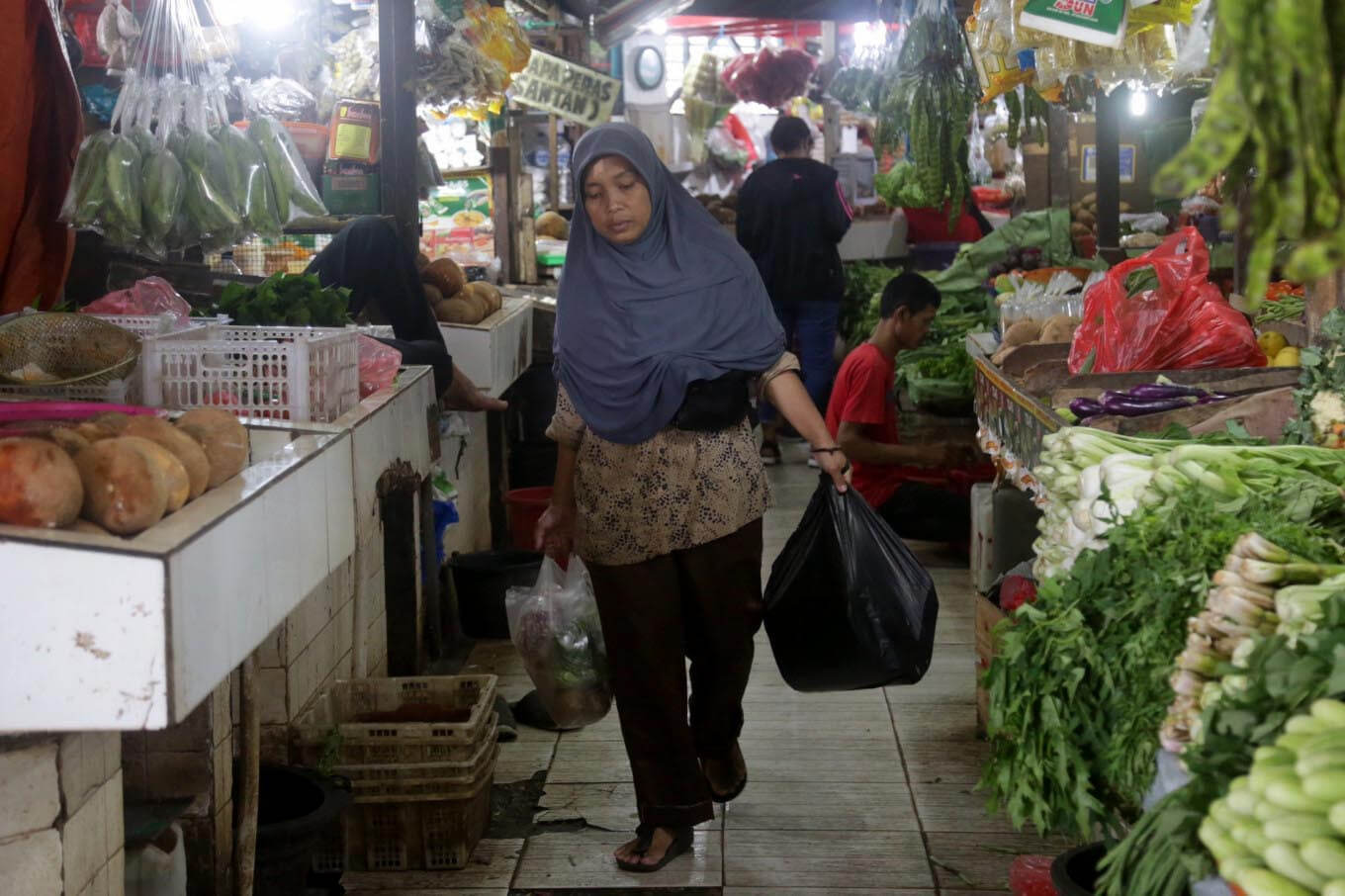

The return to paper currency in the already heavily cash-based economy is a temporary setback not only for the government’s drive to boost tax revenues but also its fight against money laundering, corruption and terrorism finance.
And for consumers wary of increasing scrutiny on their transactions, a preference for paper means carrying around envelopes full of hundreds of bank notes in a country where the largest currency denomination is 100,000 rupiah.
Erwin Karya, a Jakarta-based associate director with real estate agent Ray White, said clients were now starting to use cash instead of card to pay property booking fees – non-refundable deposits used to book properties before home downpayments.
“People don’t want to risk swiping credit cards for booking fees,” he said. “For 10-25 million (rupiah), they just pay in cash for the booking fee.”
Indonesian central bank data showed credit card transaction values dropped 4 per cent in April from the same month a year ago, the first on-year decline in the six years of public data records.
The number of credit card transactions, meanwhile, fell by two million in April from a month before, to 23.7 million transactions.
Bank Central Asia, one of the largest credit card providers, saw its transactions fall 15 per cent and card cancellations more than double in April, head of the bank’s consumer card business Santoso told Reuters.
“I don’t think they’re all avoiding taxes, but some did say they feel their privacy disturbed – they’re not comfortable,” Mr Santoso said, noting most of the cancellations came from self-employed individuals.
Other providers face the same problem, said Steve Martha, chairman of Indonesia’s credit card issuers association. “People should be incentivised to use cards, not penalised,” he said.
Cash, which in Indonesia is already used for 85 per cent of transactions, is difficult to track, making it challenging for governments to fight money laundering, corruption and terrorism financing.
About 7-8 million Indonesians own credit cards, some using more than one, for a total of 16.9 million credit card, catered by 22 banks and one non-bank issuer. These include the country’s biggest banks Bank Mandiri, Bank Central Asia, and foreign players like HSBC, Citibank and Standard Chartered.
Under pressure from falling exports, Jakarta launched last year measures to boost tax revenues, including a tax amnesty for those willing to relocate back home money hidden in offshore accounts.
Only 10 per cent of Indonesia’s 250 million population are registered with tax authorities and annual tax revenues amount to 11 per cent of gross domestic product, US$30 billion less than what it should be, President Joko Widodo has said.
Credit card bills and other electronic payments can be effectively used to track down corruption cases, said Agus Santoso, deputy head of Indonesia’s Financial Transaction Reports and Analysis Centre.
It will be harder to prove cases if people go back to cash, he said, but he didn’t expect the trend to last in the long run.
“There’s no way people choose to carry millions of rupiah in cash in a bulging wallet to pay for high-end stuff,” he said.
Finance Minister Bambang Brodjonegoro stood by his decree.
“If there are things that they are afraid to declare, it means their income is more than what they say to the tax office,” he told reporters on the sidelines of a conference in Jakarta earlier this month.