TOKYO: Asian stocks rose, paring the worst monthly loss since February, as the dollar maintained strength against the yen amid expectations for higher U.S. interest rates.
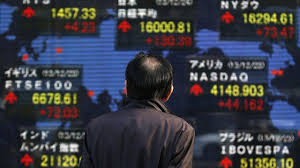
The MSCI Asia Pacific Index added 0.5 percent to 128.90 as of 11:35 a.m. in Tokyo. The gauge is down 1.77 percent this month, the worst showing since a 1.83 percent plunge in February. Japan’s Topix index climbed 0.5 percent to the highest level in more than a month amid optimism the government will delay an increase in sales tax. Stocks in Shanghai headed for the biggest gain since March.
American “monetary policy is coming into clearer view, so for the time being we’re seeing dollar strength and yen weakness,” said Kazuhito Suzuki, a senior strategist at Shinkin Asset Management.
The yen traded at 111.06 per dollar, after weakening Monday following Federal Reserve Chair Janet Yellen’s remarks last week that an improving American economy would probably warrant another rate increase “in the coming months.” Financial markets in the U.S. and U.K. were closed on Monday for a public holiday. The Fed’s rate outlook continued to occupy investors, with traders putting odds of a hike by July at more than 50 percent.
Data from Japan on Tuesday showed that Japan’s jobless rate for April was 3.2 percent, in line with forecasts. Overall household spending fell 0.4 percent, less than forecast. Preliminary data on industrial production showed that output expanded 0.3 percent last month, beating expectations of a contraction.
Prime Minister Shinzo Abe wants to put off a planned sales tax increase for 2 1/2 years, senior officials from his ruling party and its coalition partner said Monday, as Abe prepares to end the speculation that has swirled for months. With the weakness in private consumption, now isn’t the time to raise the sales tax, Japanese Finance Minister Taro Aso said in Tokyo on Tuesday.
“Investors are reacting positively to the prospect of a sales tax delay and an additional fiscal package,” Masayuki Otani, chief market strategist at Securities Japan, said by phone. “There are some comments that point out how it was surprising that consumer spending hadn’t increased more.”
Investors in Asia have been whipsawed this year, with the regional gauge slumping 14 percent through a February low on concern a devaluation of the Chinese yuan would curb global growth and amid prospects for higher U.S. borrowing costs. It then rallied almost 20 percent through this year’s peak in April before retreating again.
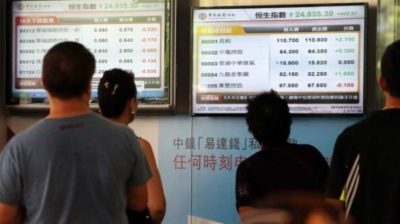
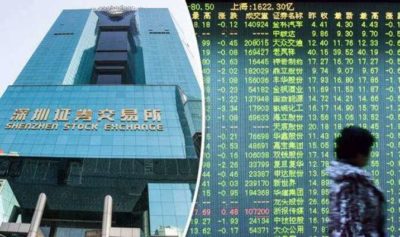
Hong Kong’s Hang Seng Index added 1 percent on Tuesday, while the Hang Seng China Enterprises Index of mainland firms listed in the city climbed 1.4 percent. The Shanghai Composite Index jumped 2.4 percent, poised for the steepest increase since March 30.33
Australia’s S&P/ASX 200 Index dropped 0.3 percent, after reaching its highest level since August on Monday. New Zealand’s S&P/NZX 50 Index increased 0.3 percent, climbing for a fifth straight day to a record. South Korea’s Kospi index added 0.5 percent, while Singapore’s Straits Times Index rallied 1 percent.